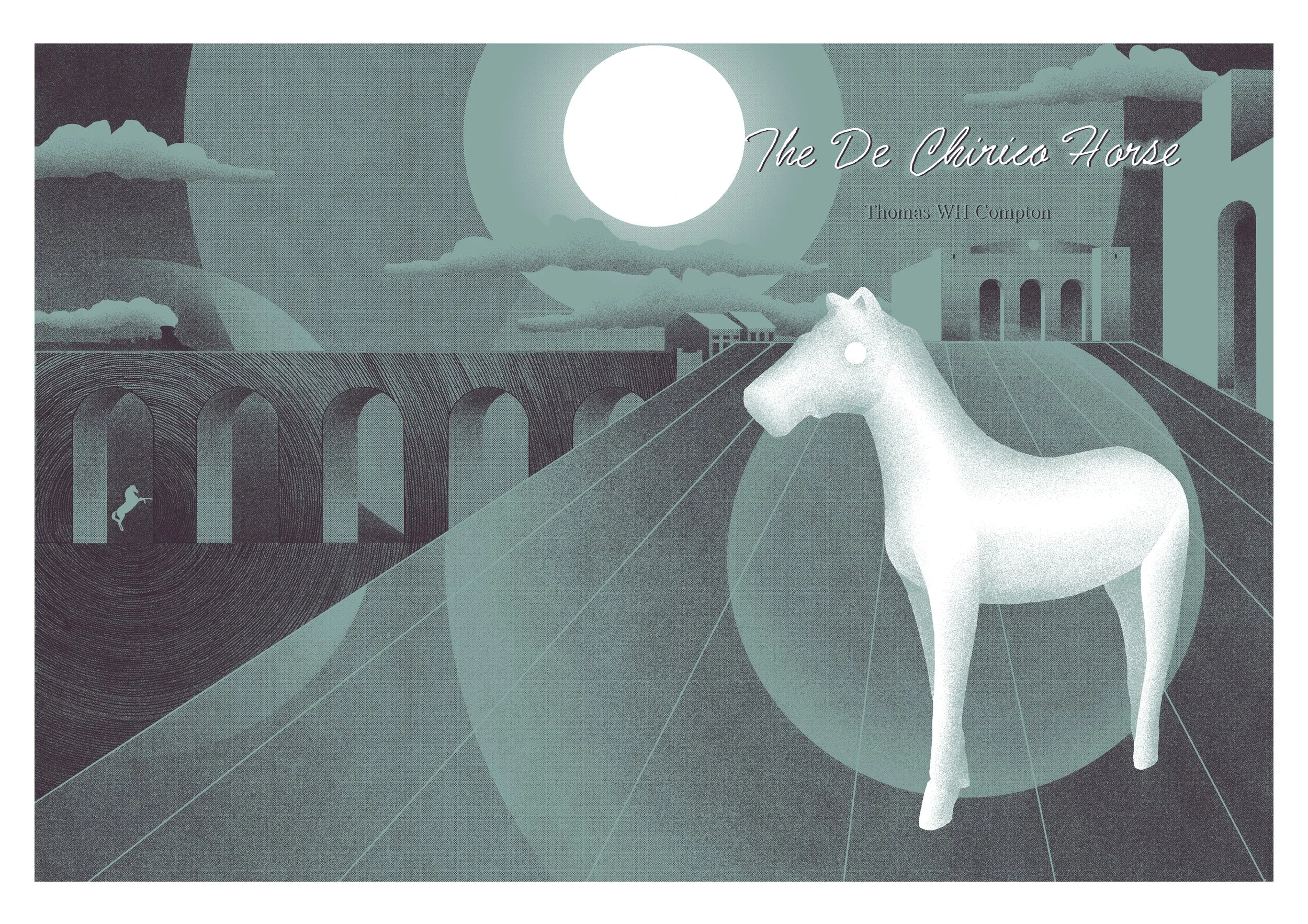
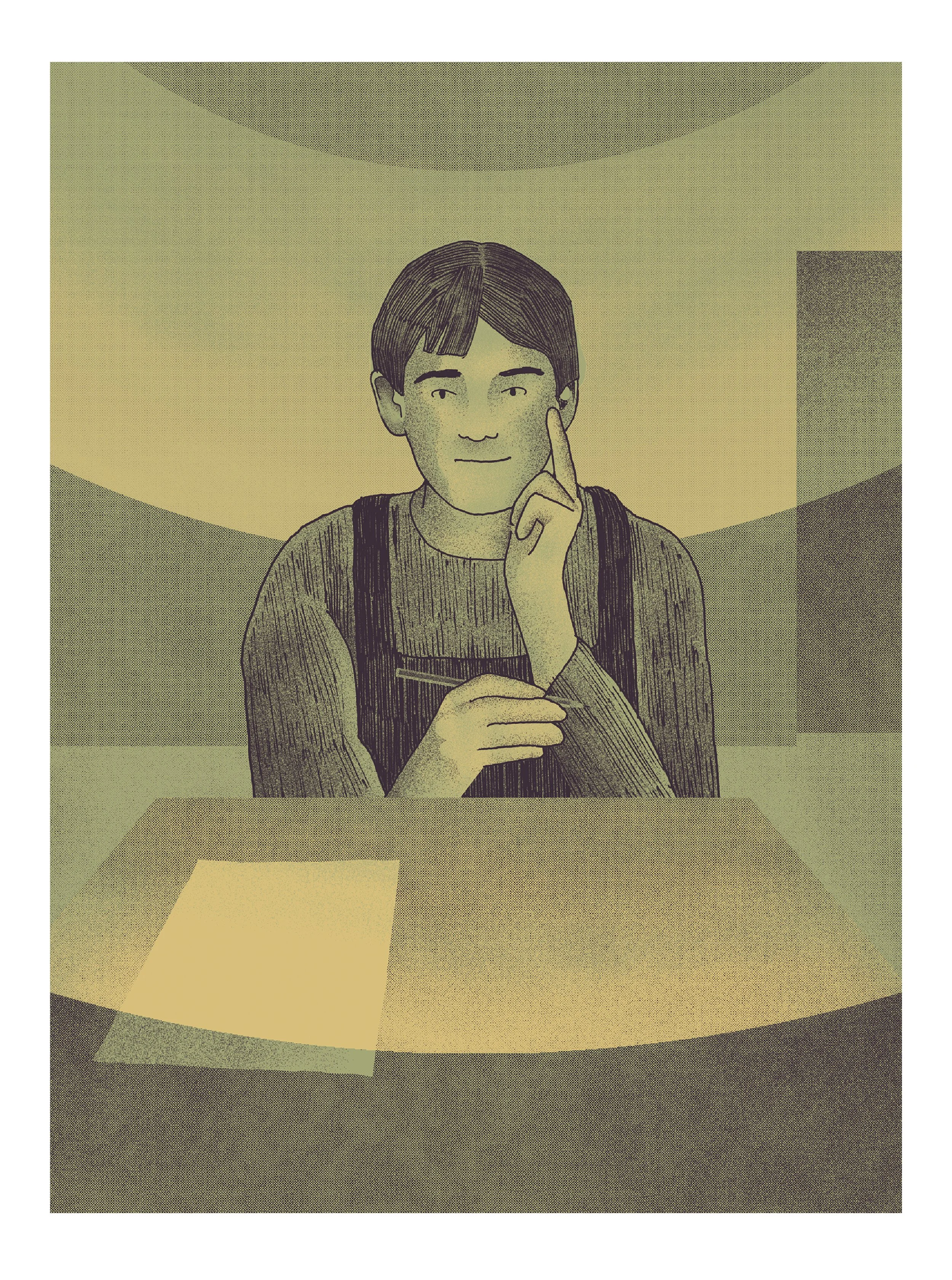
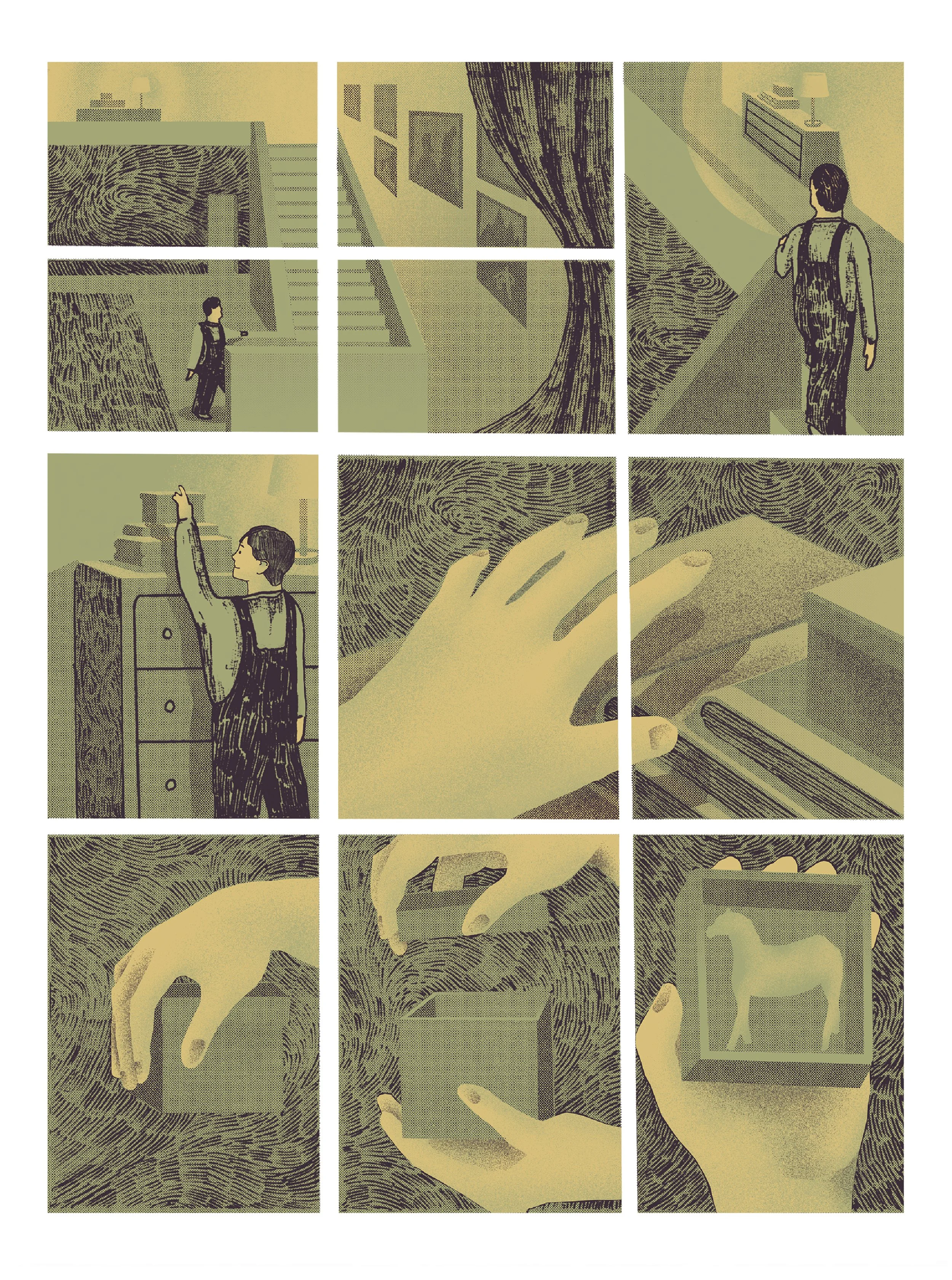
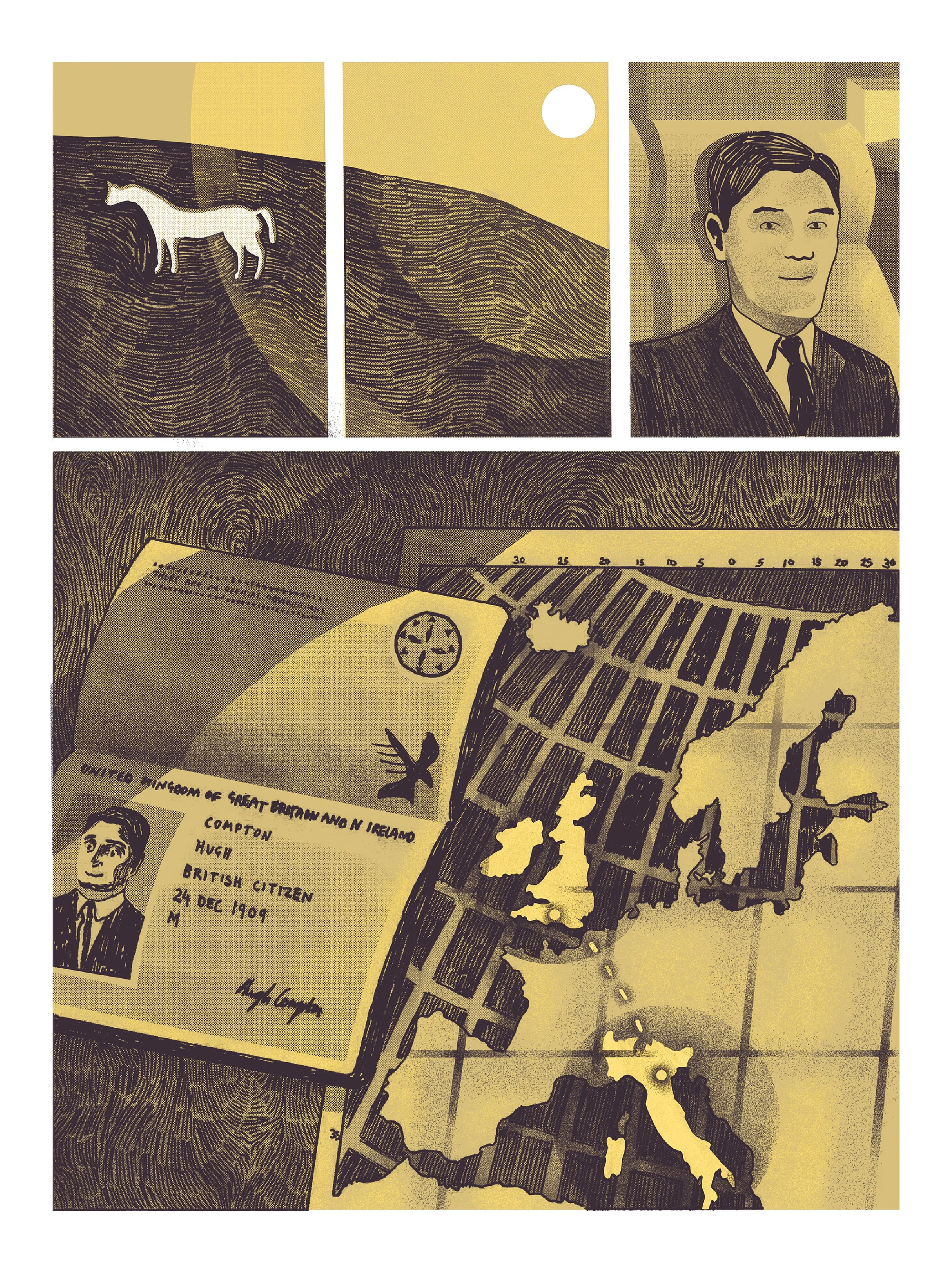
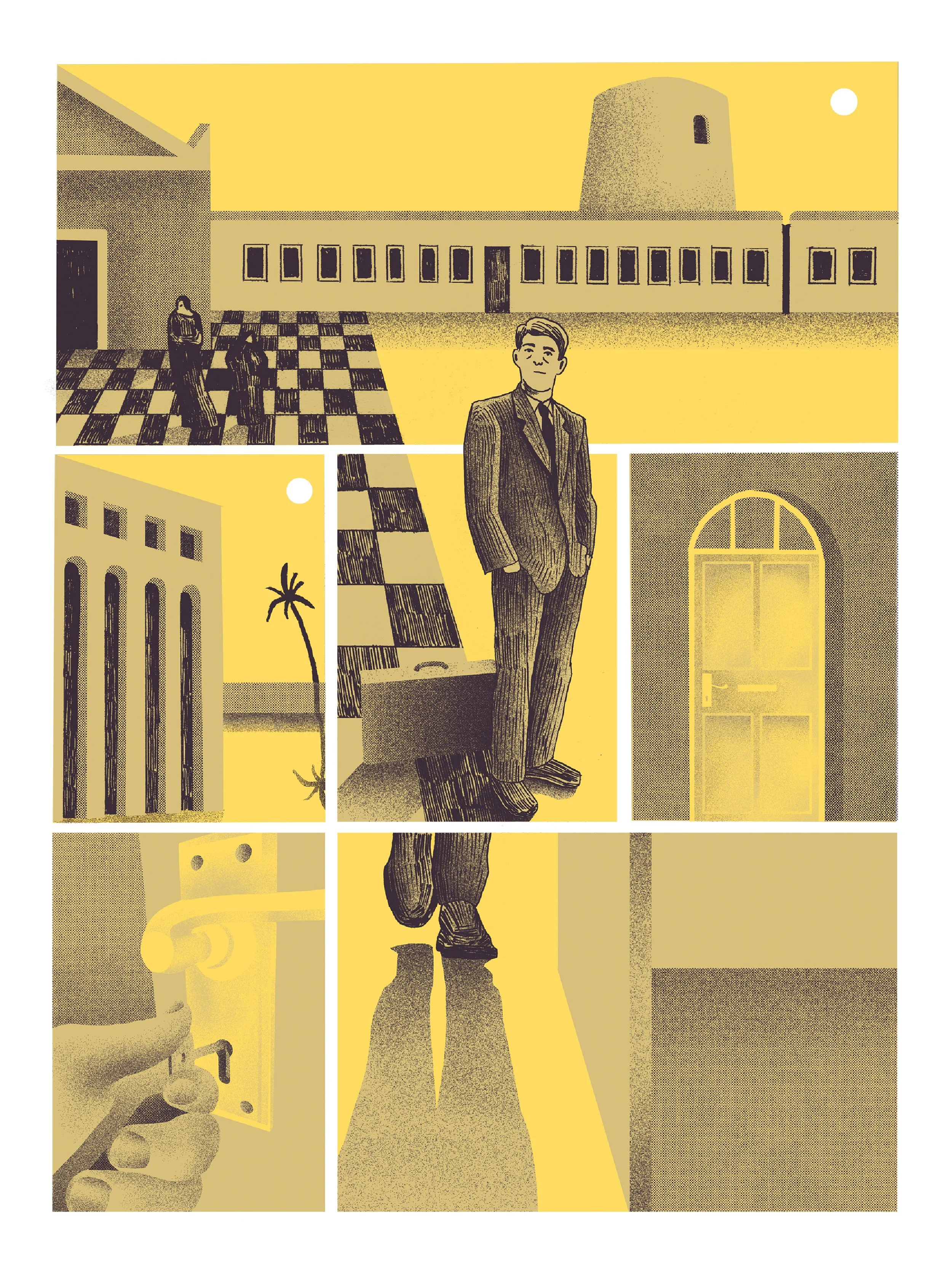
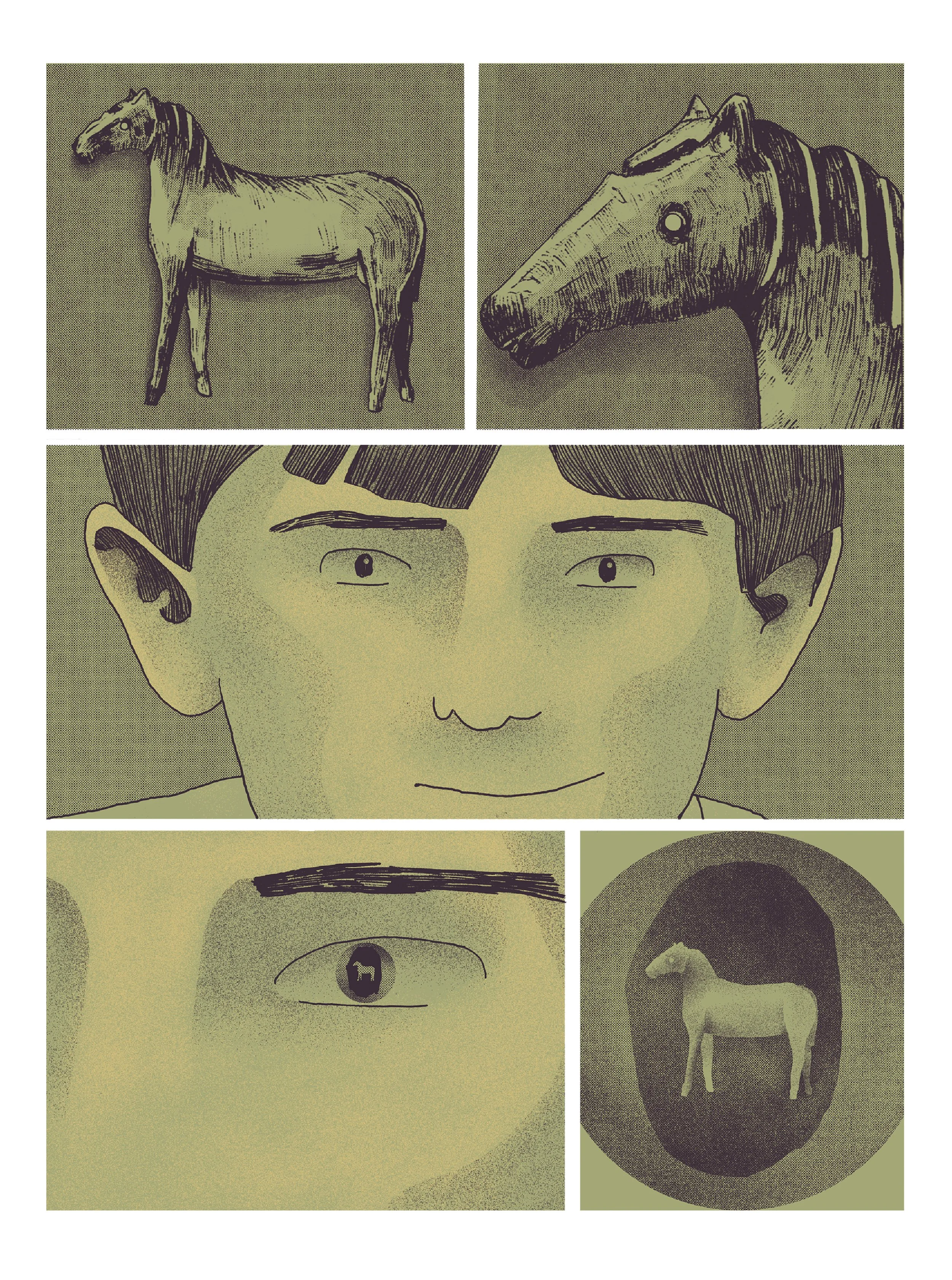
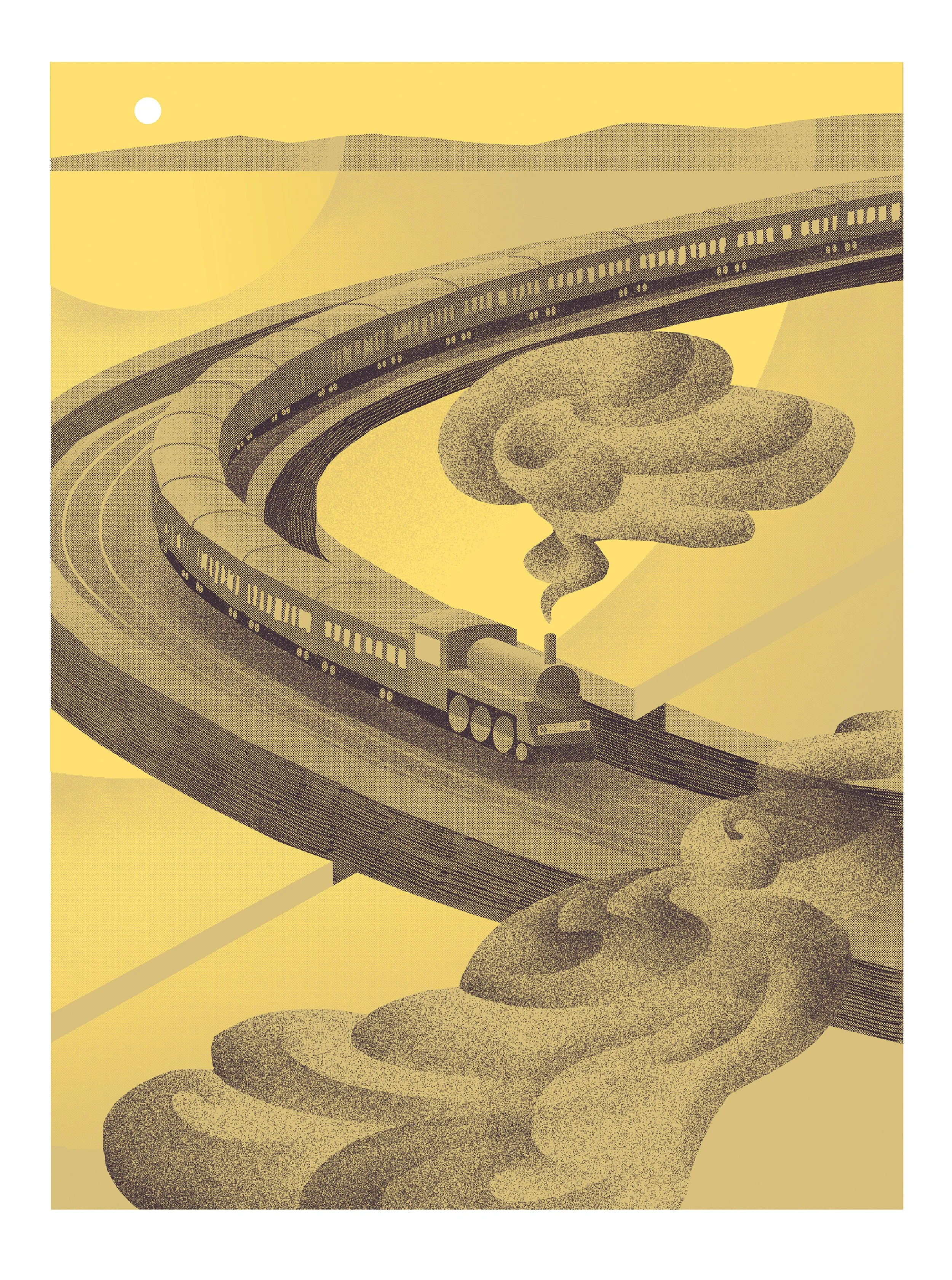
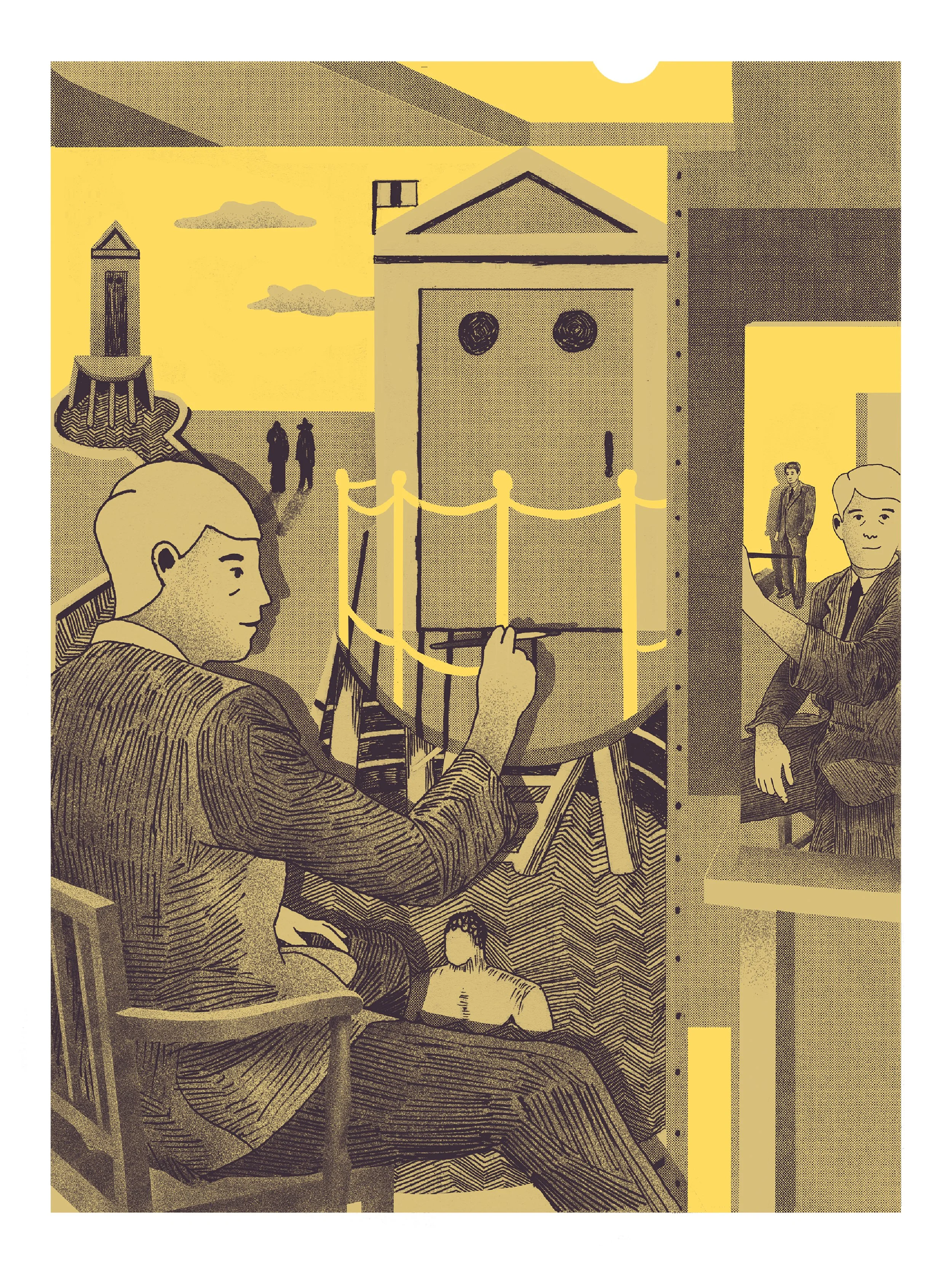
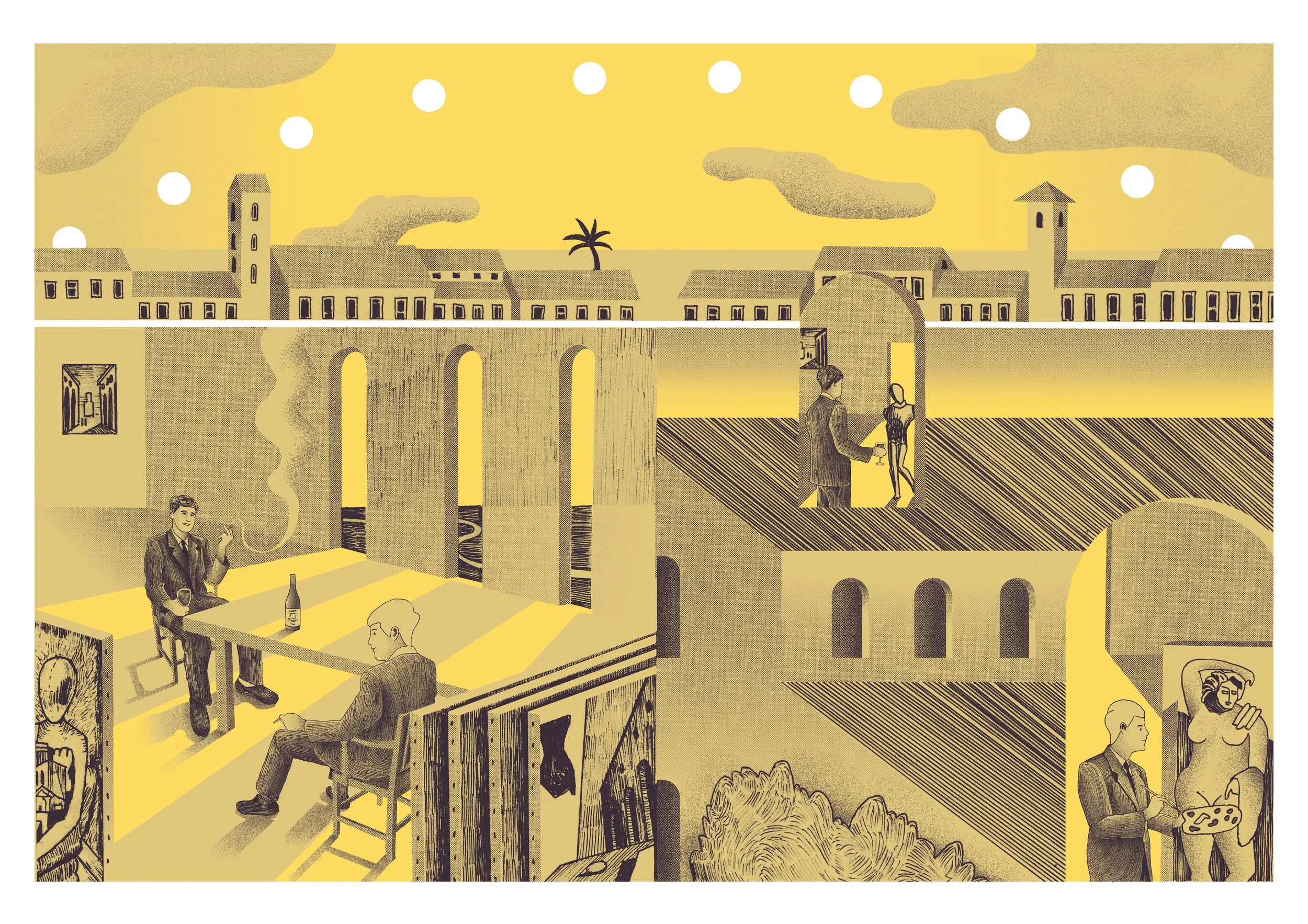
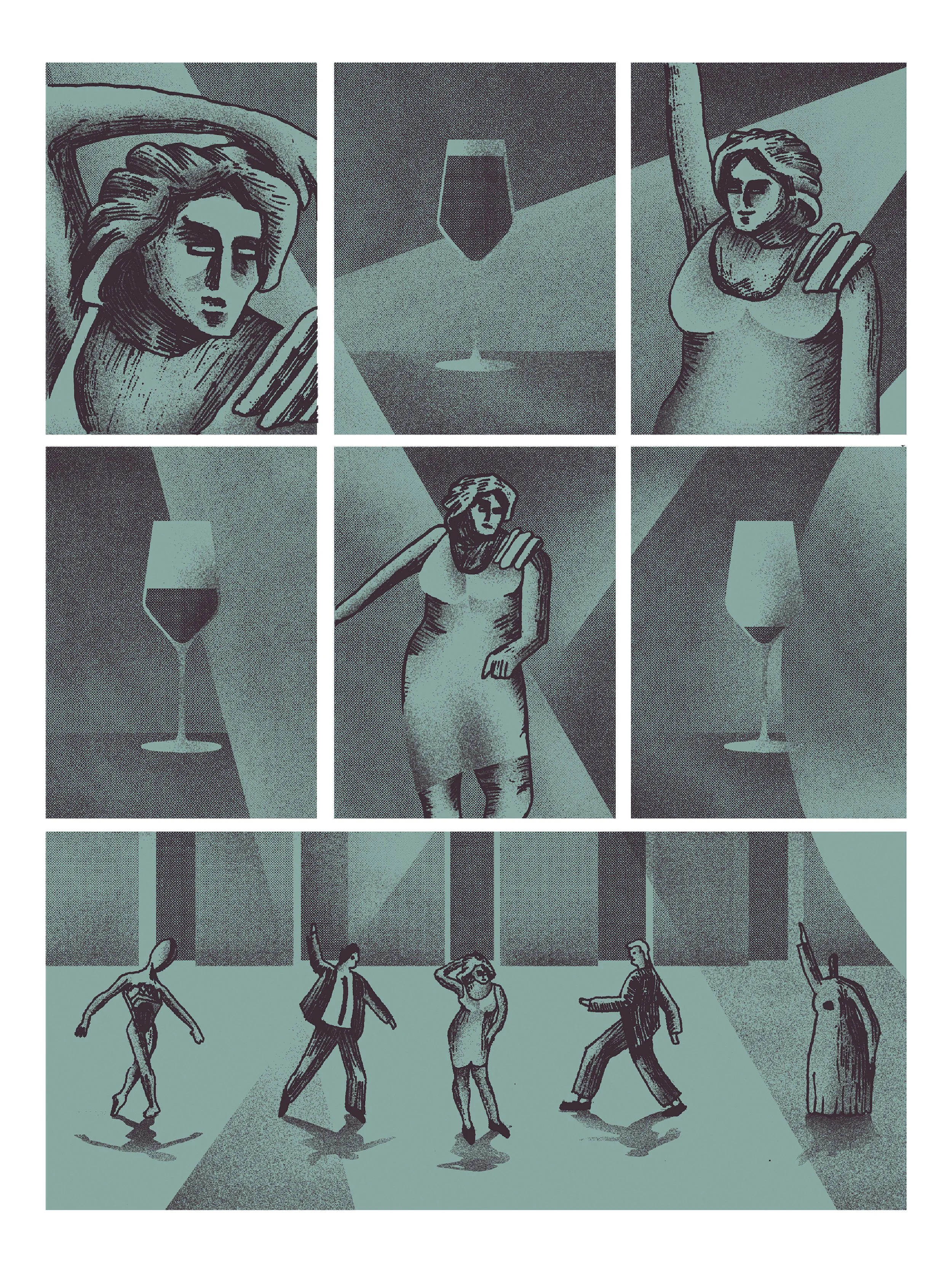
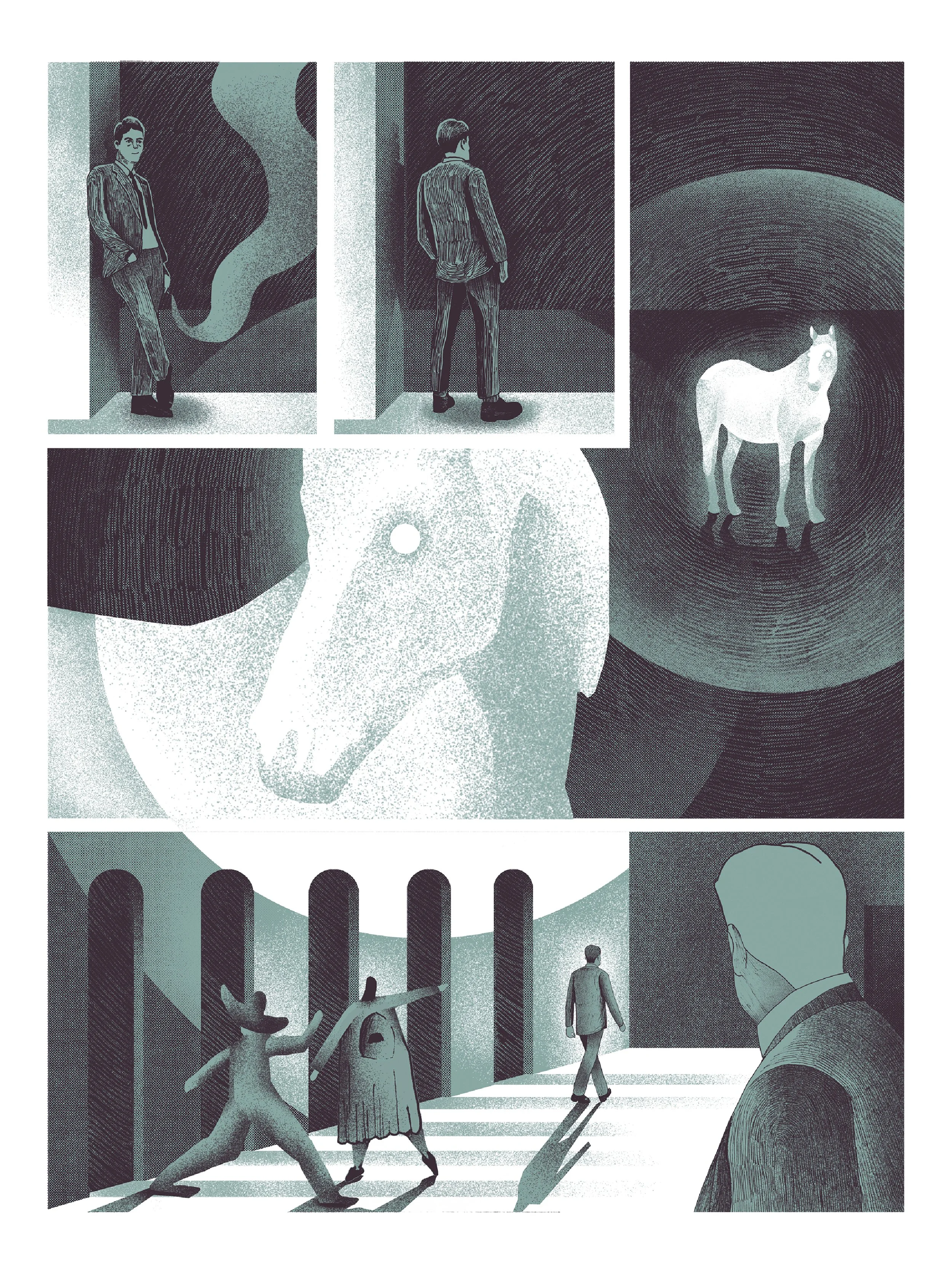
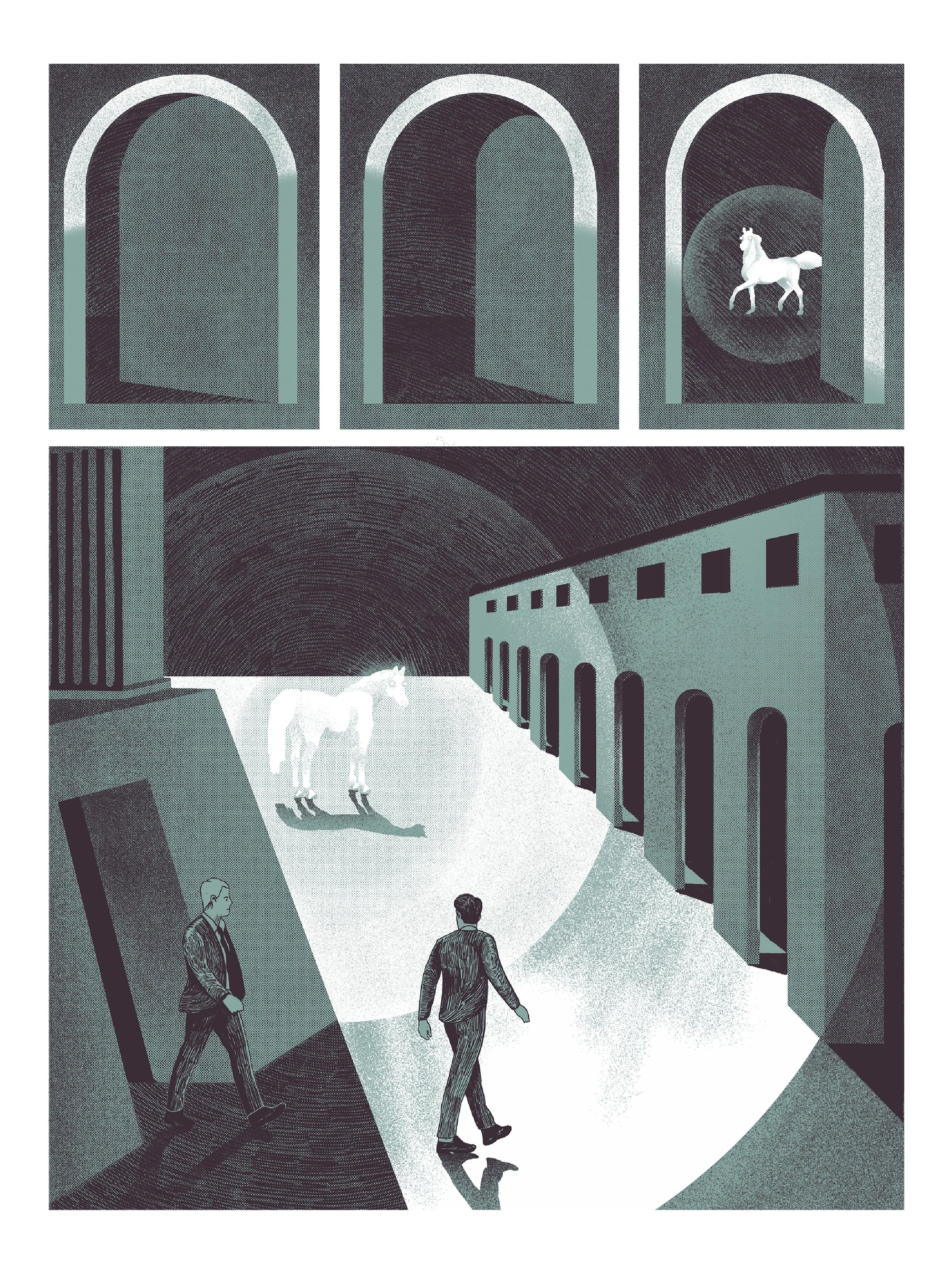
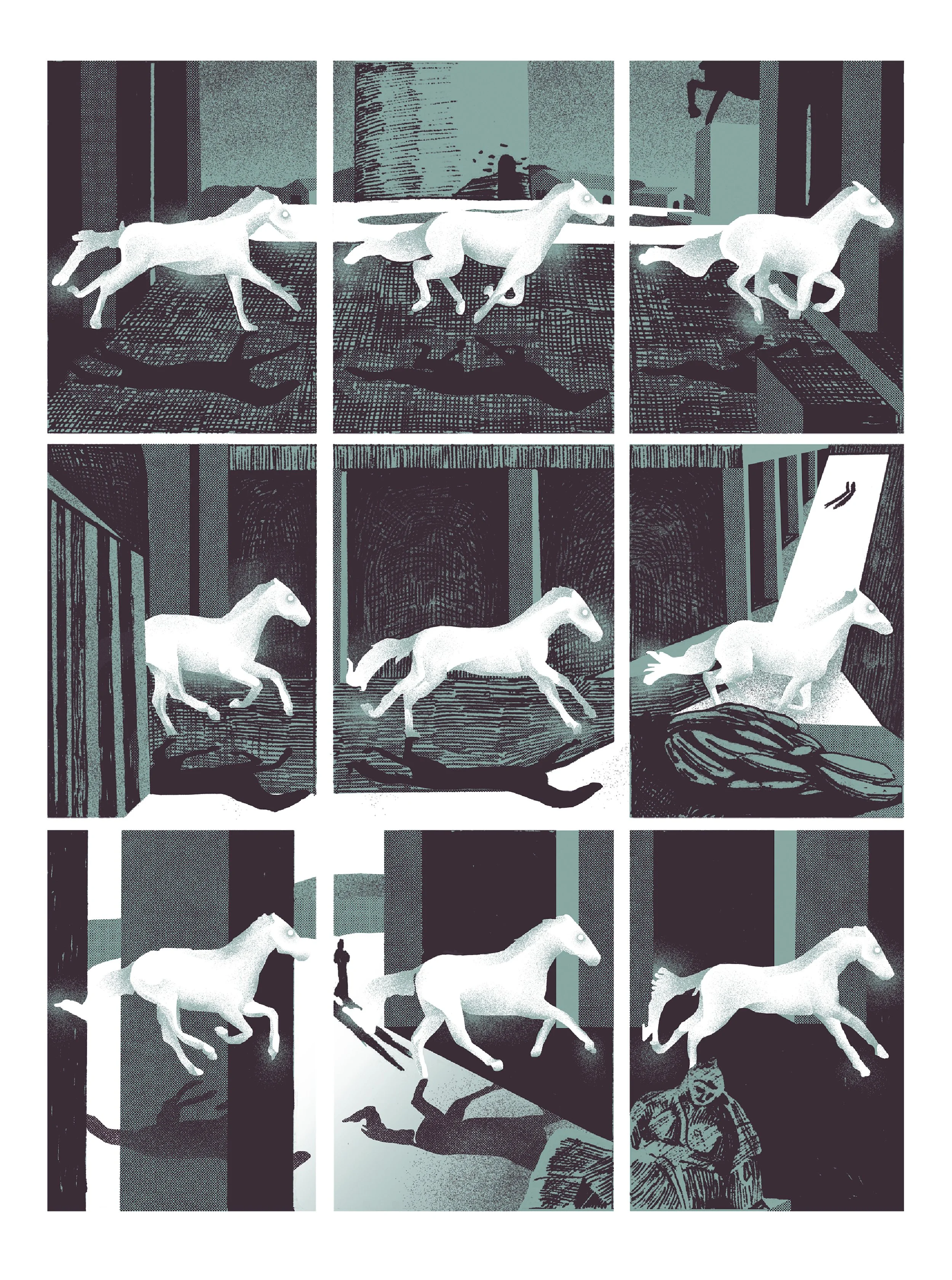
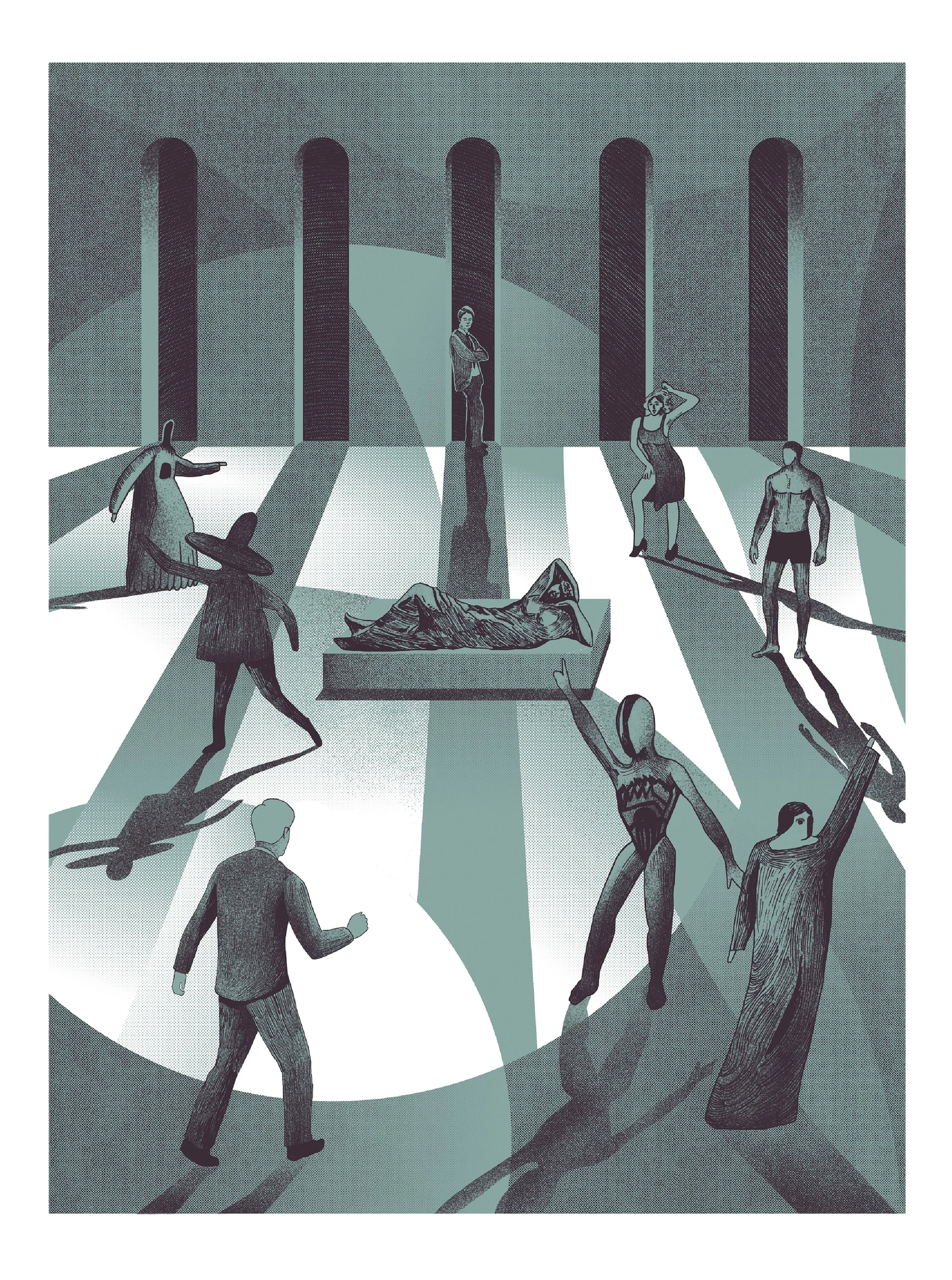
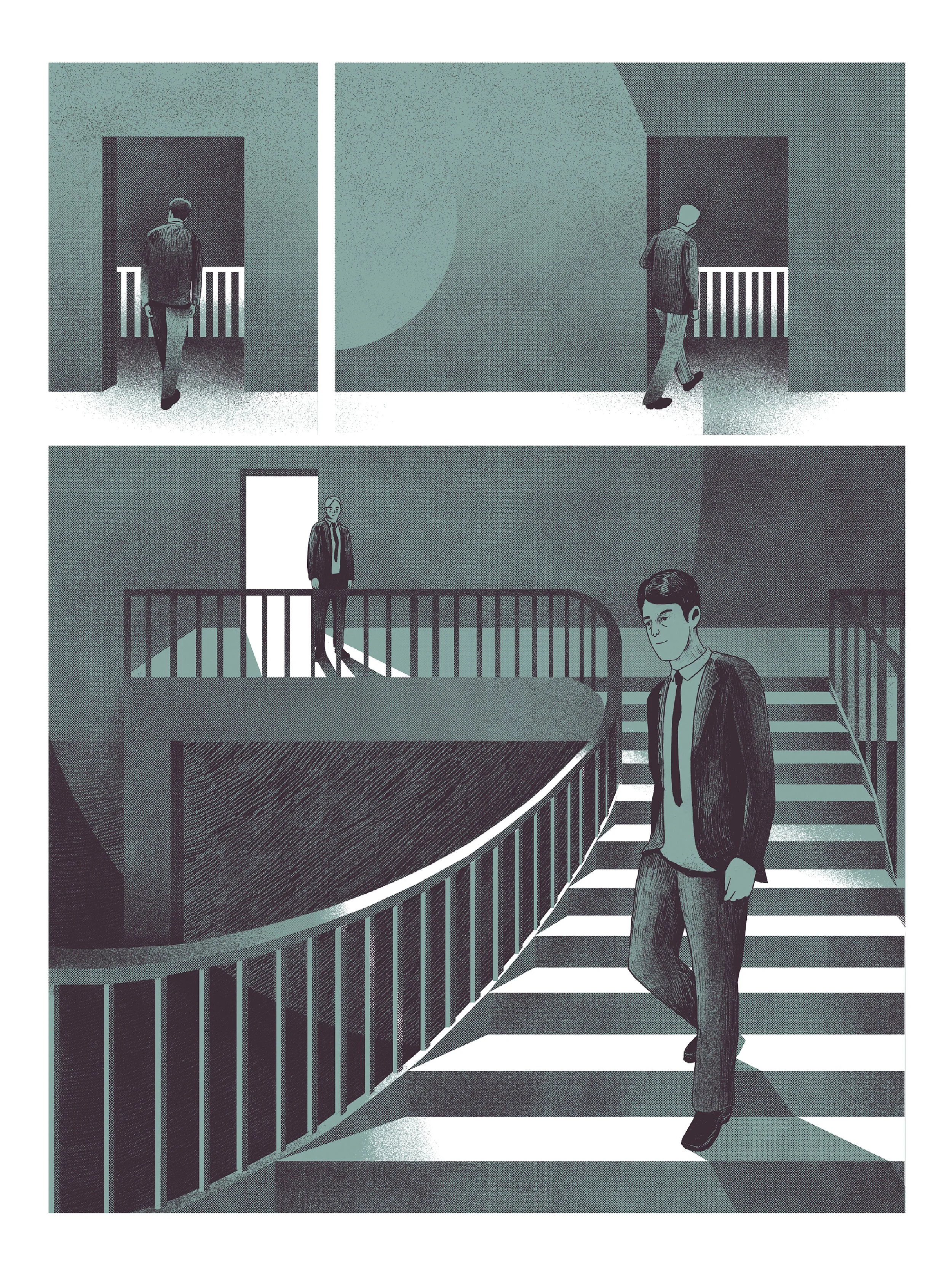
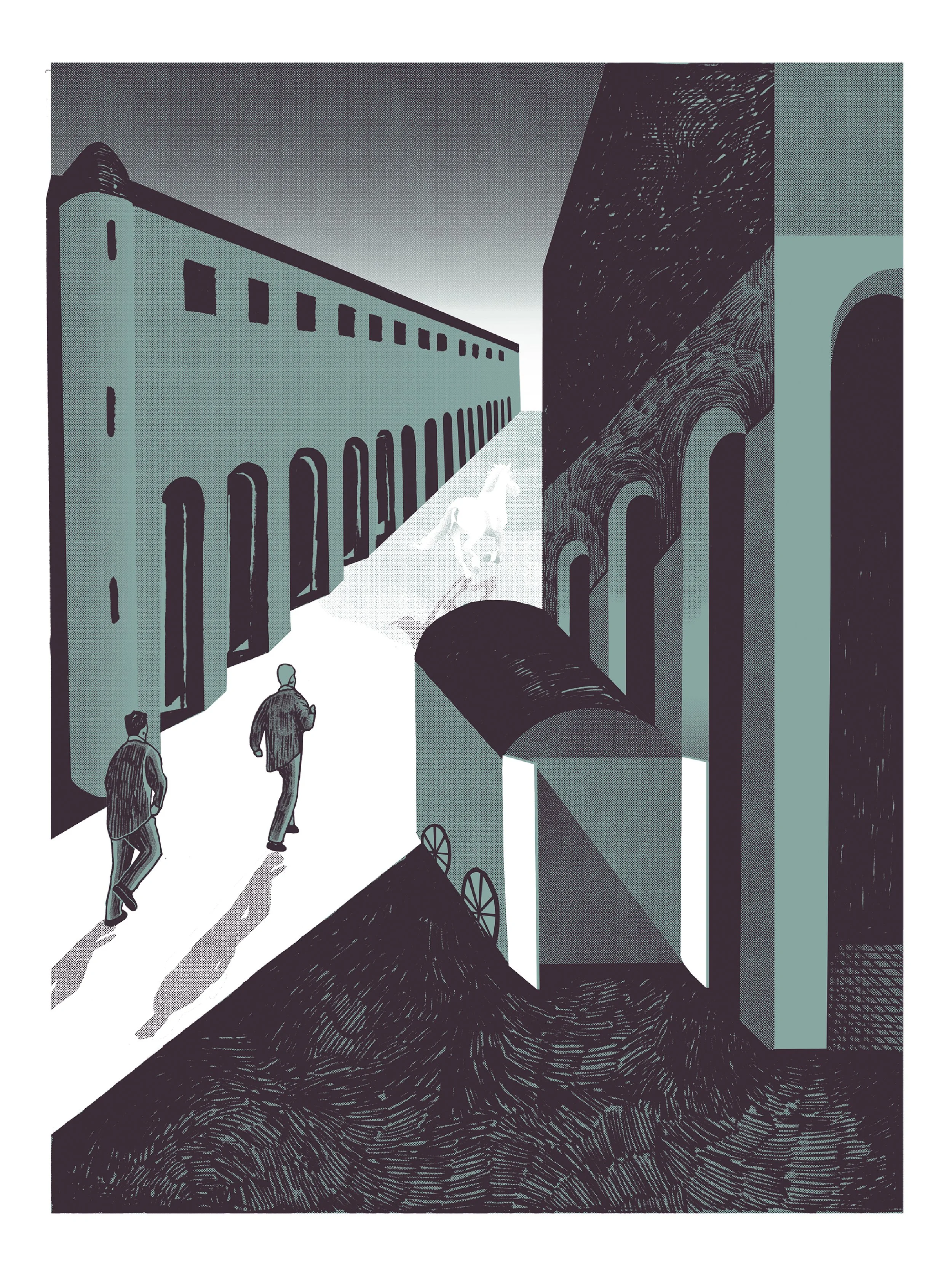
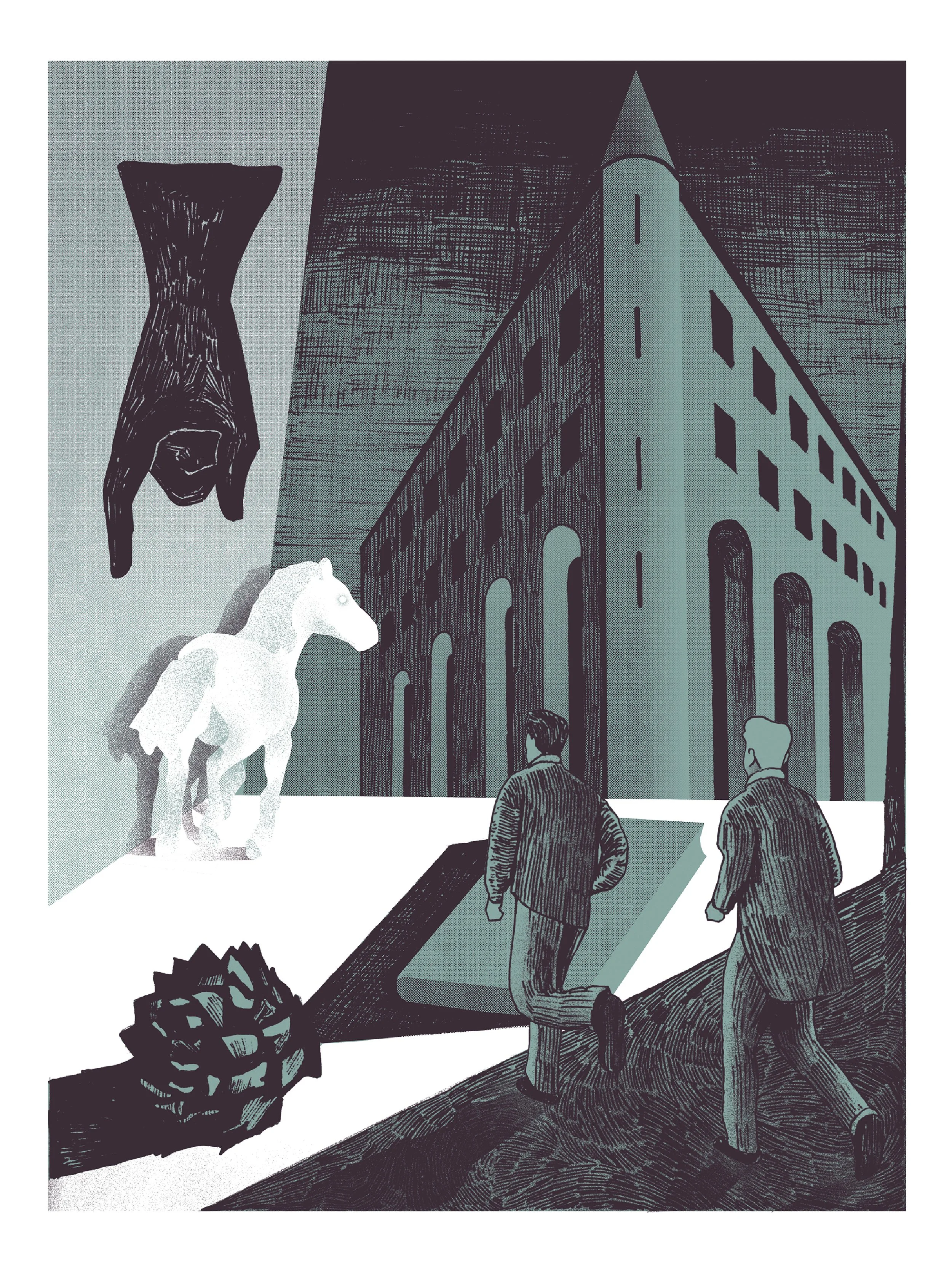
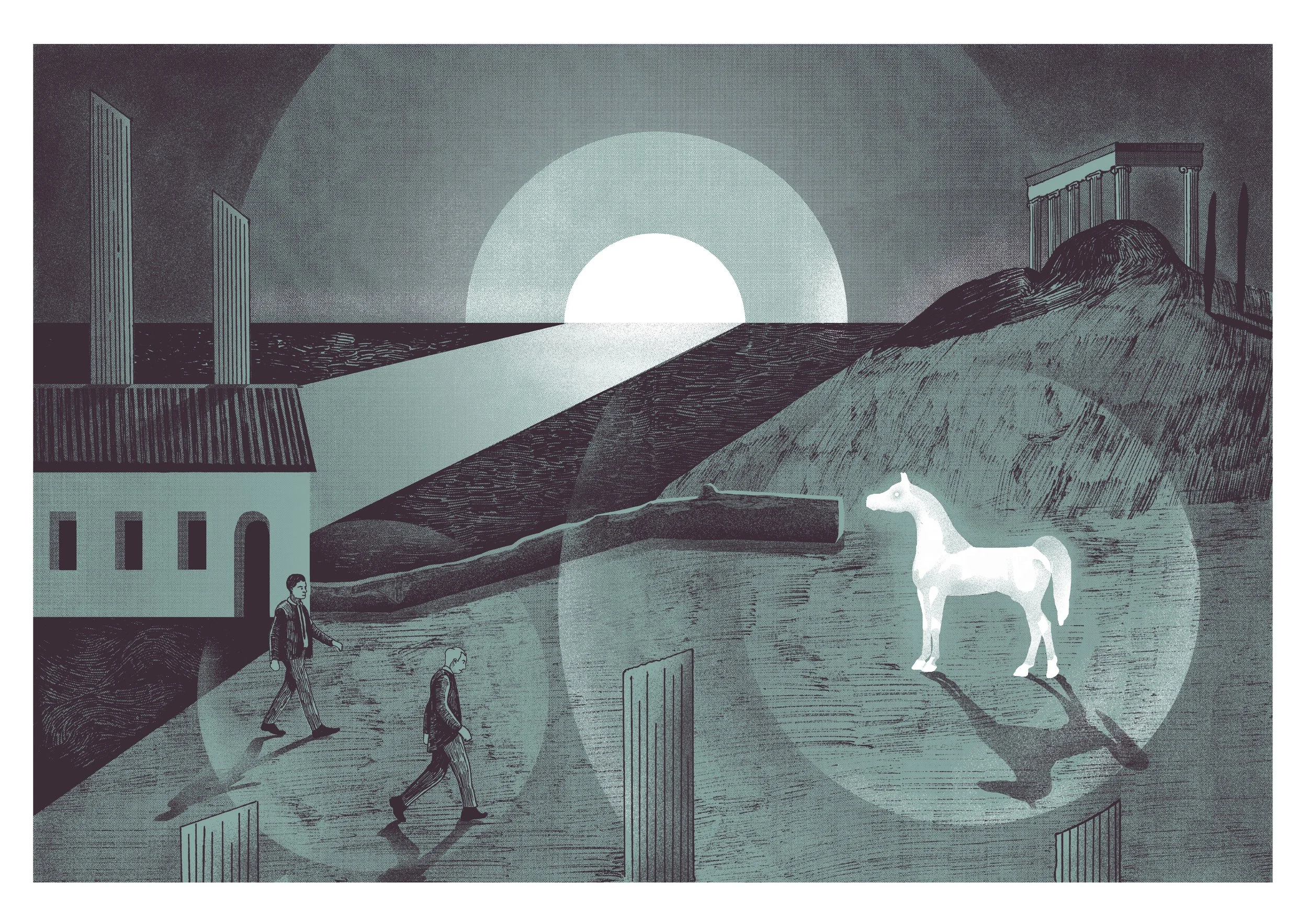
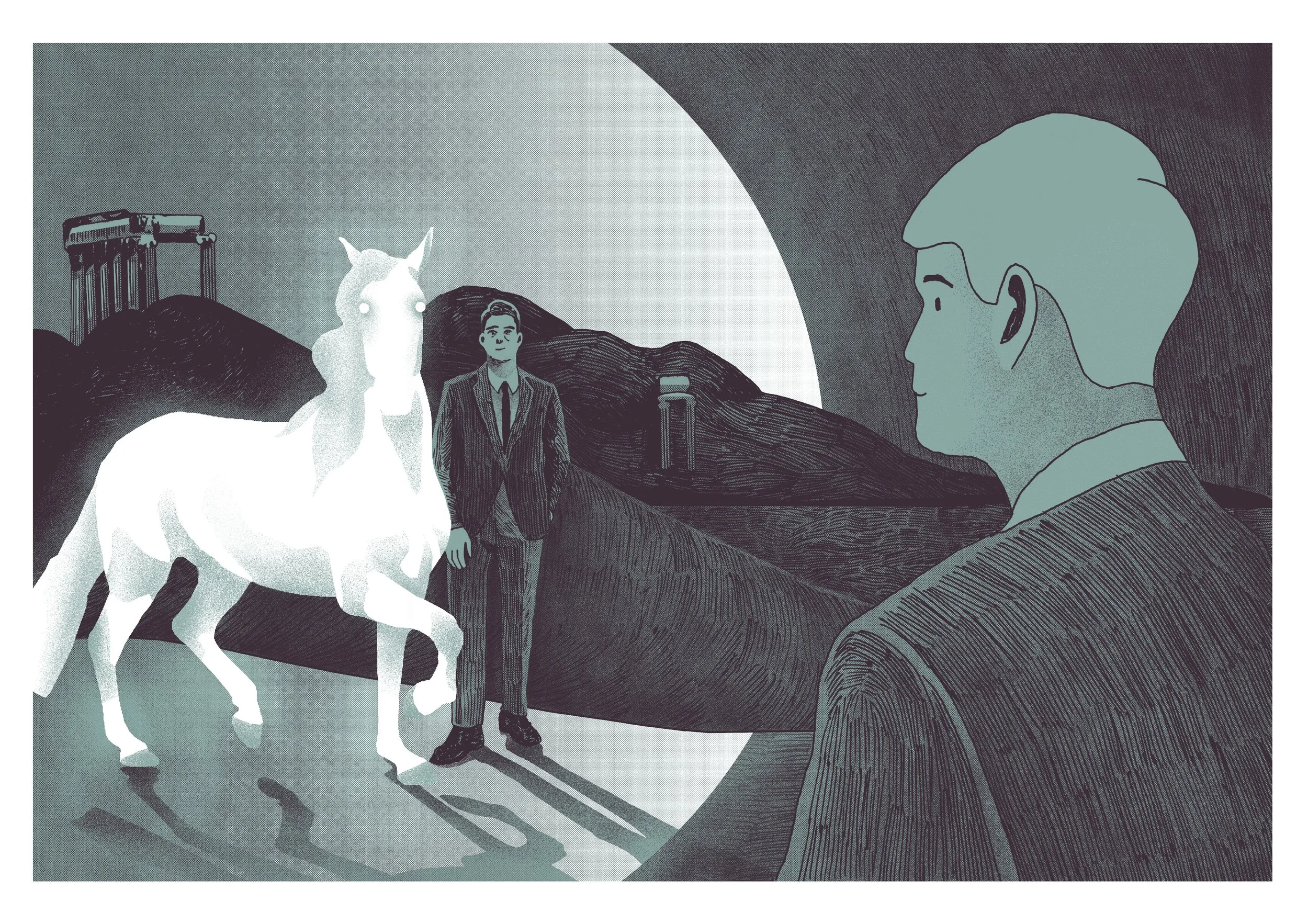
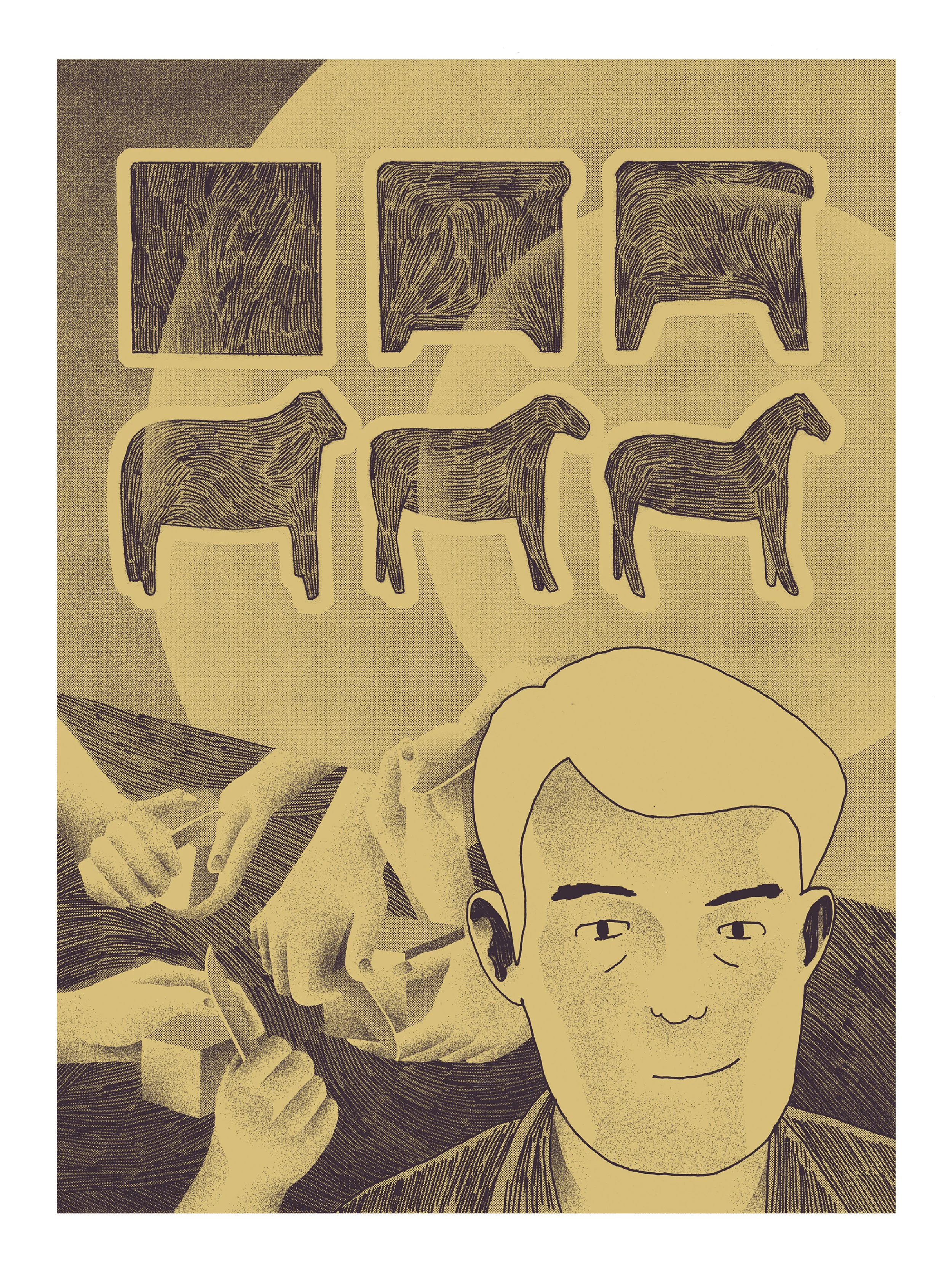
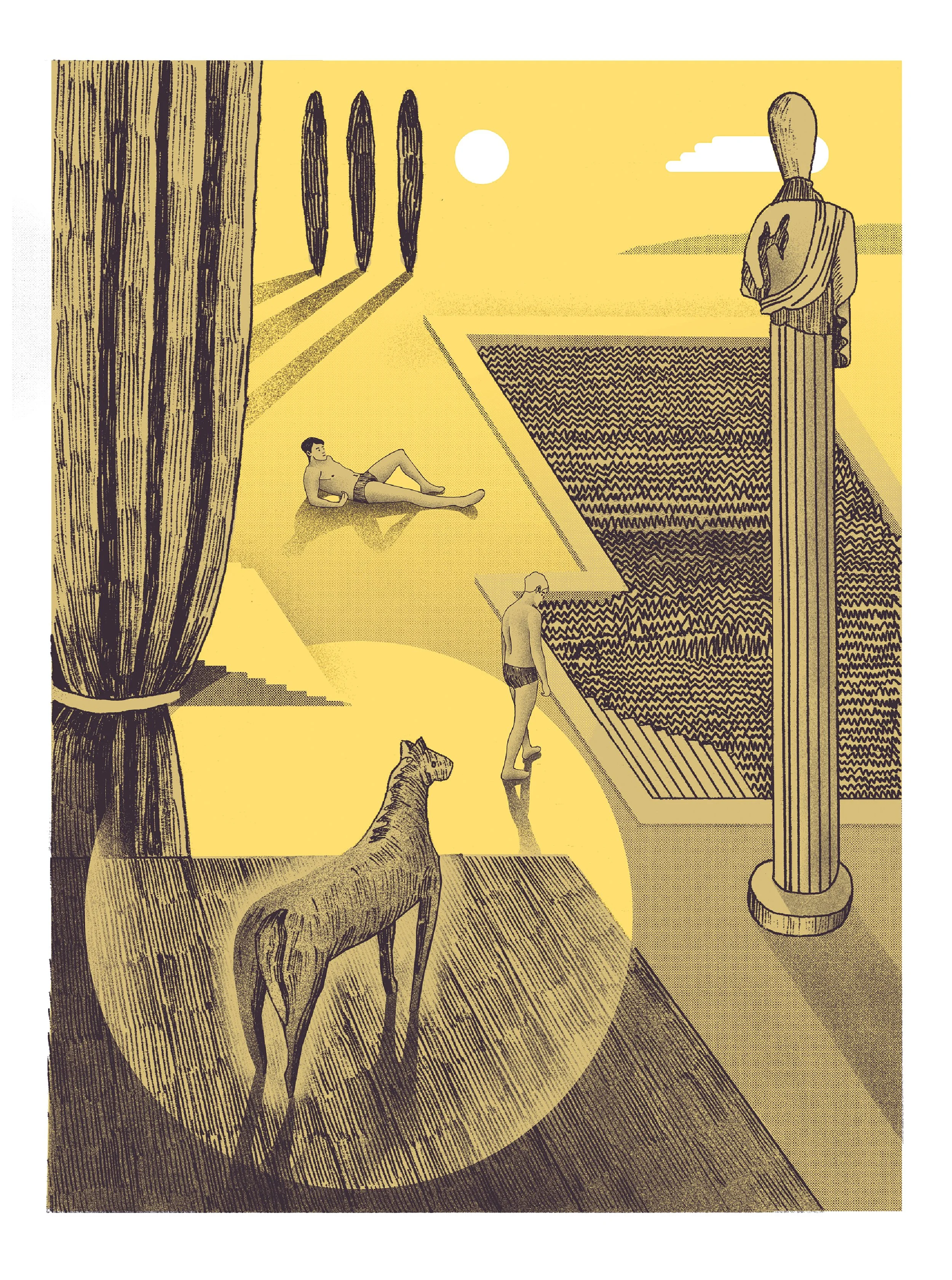
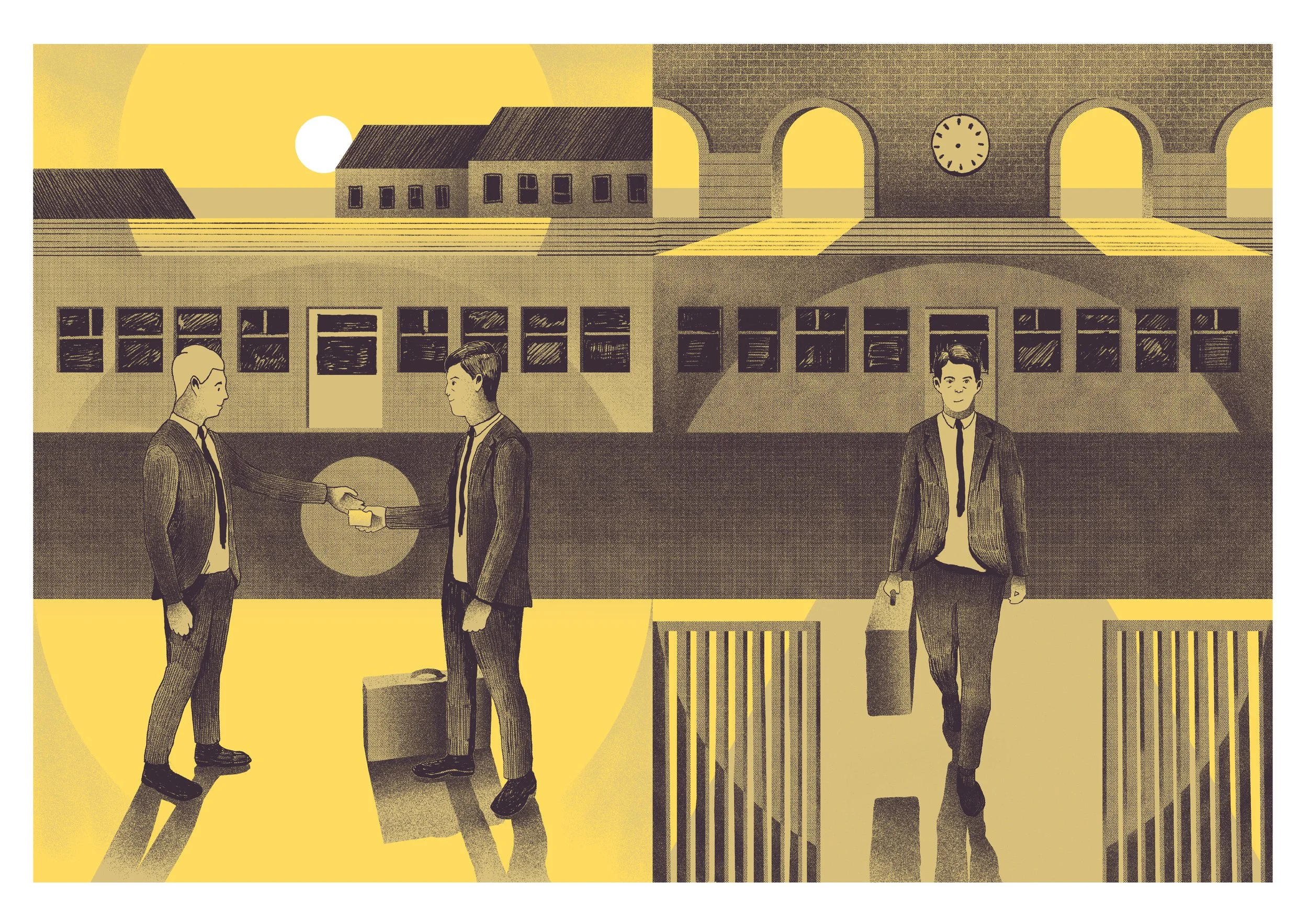
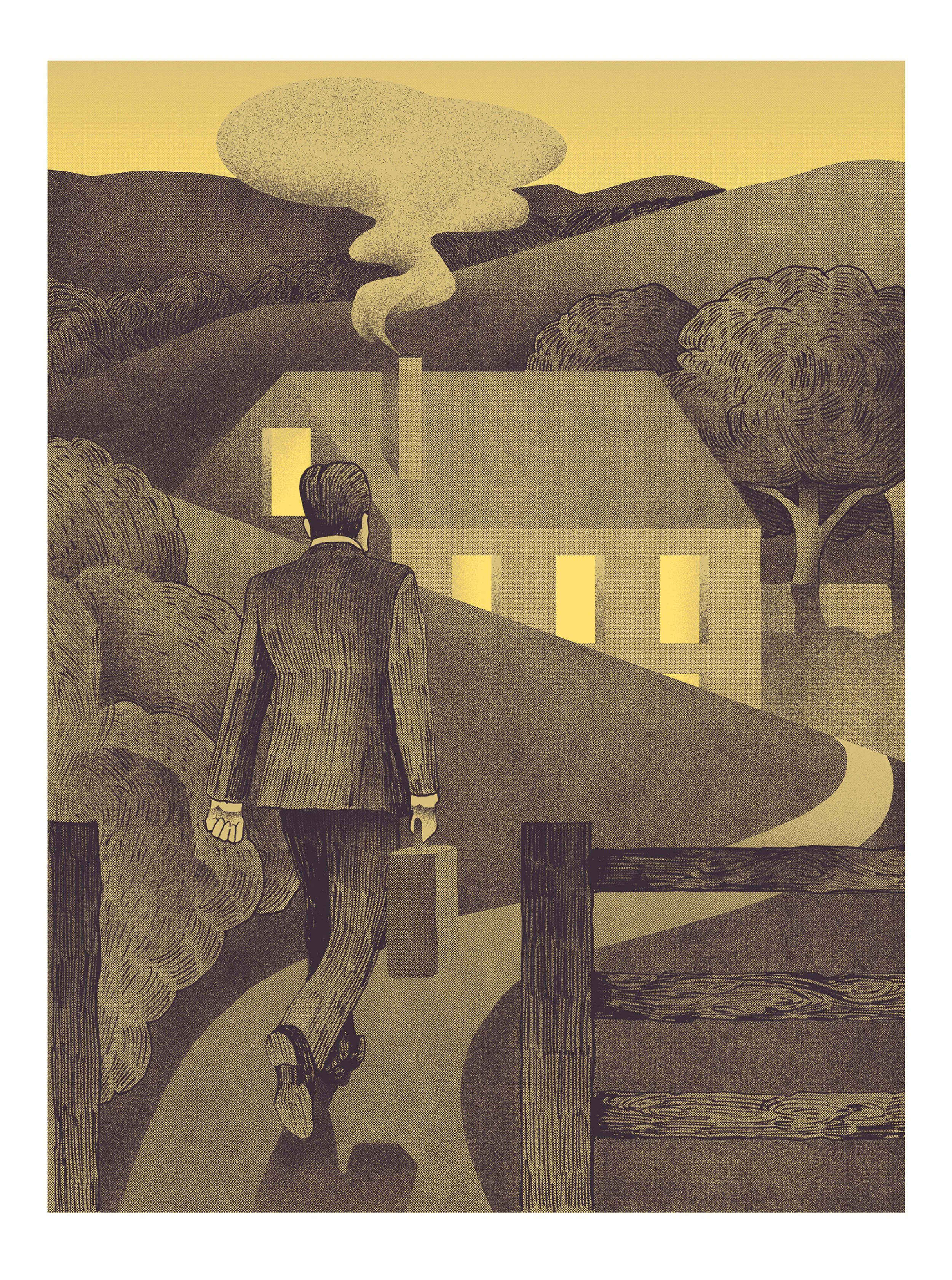
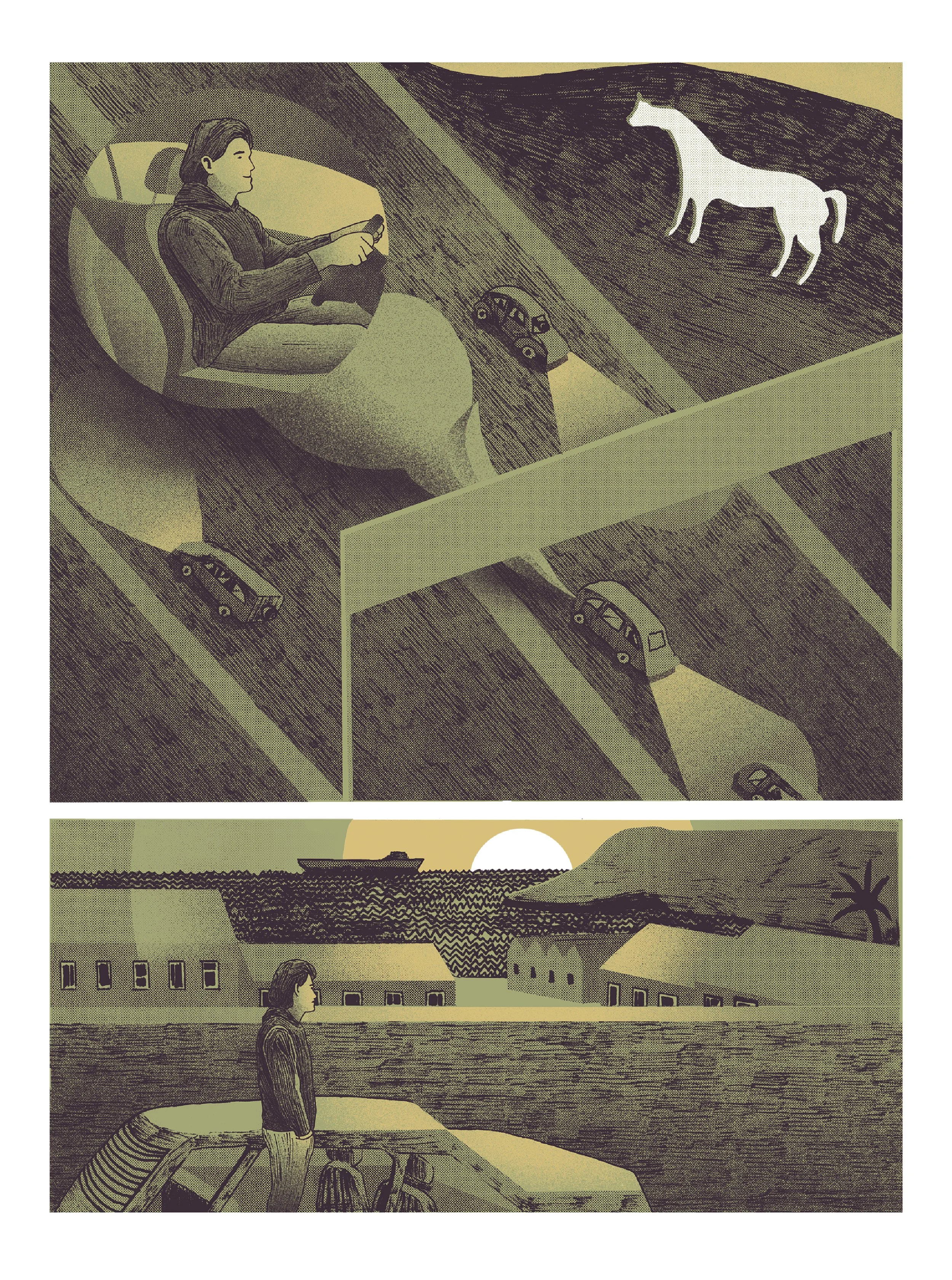
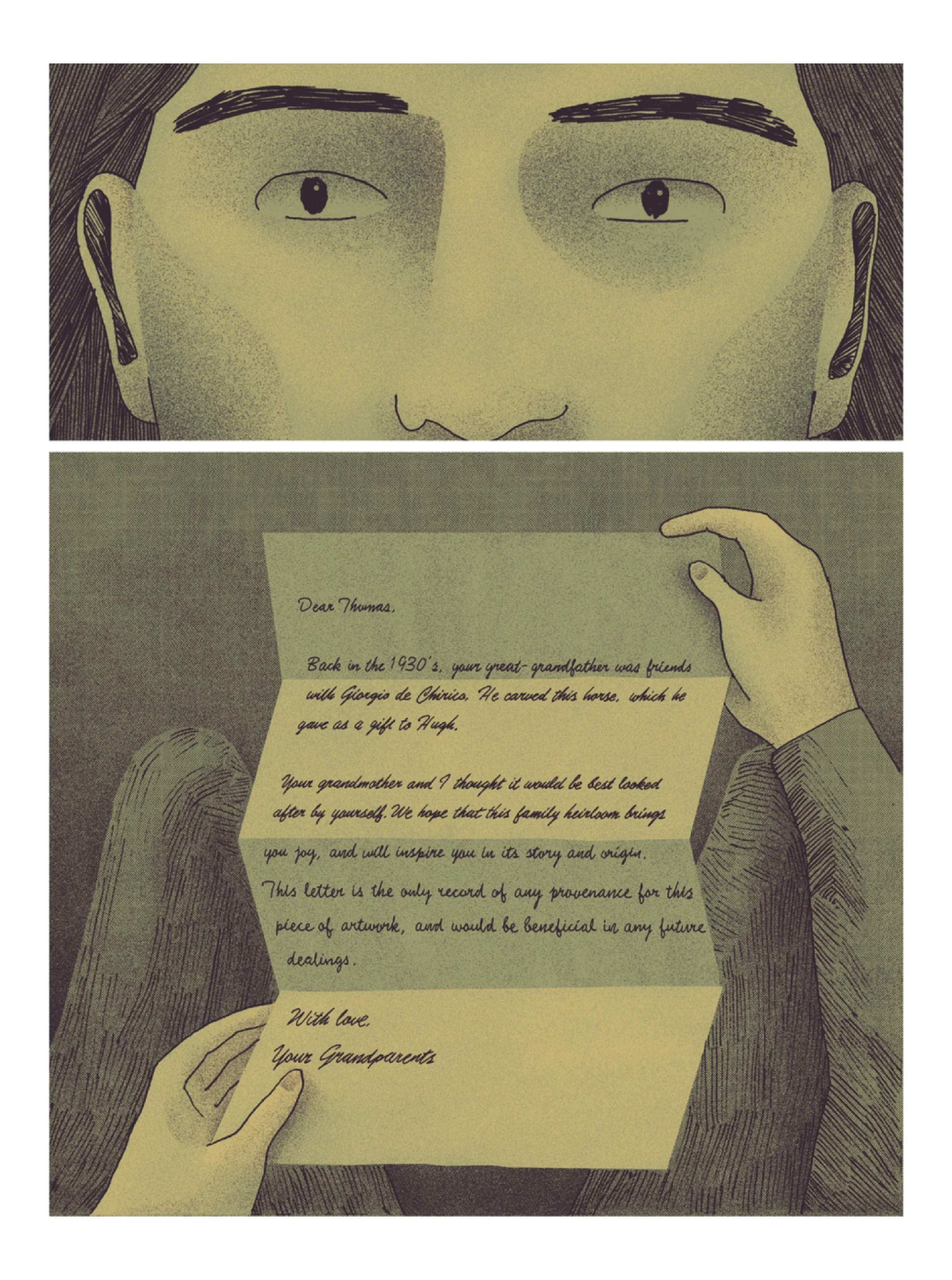
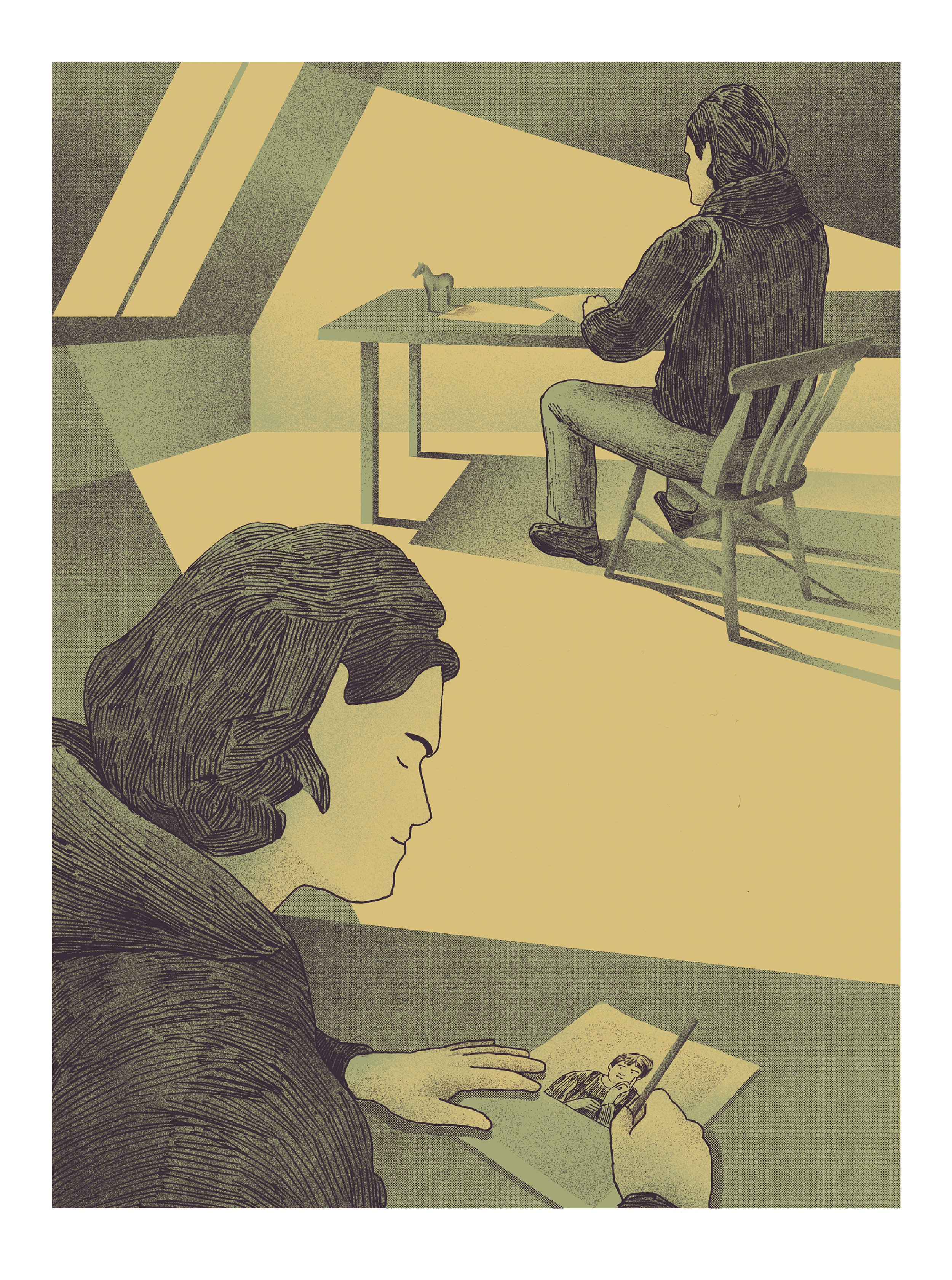
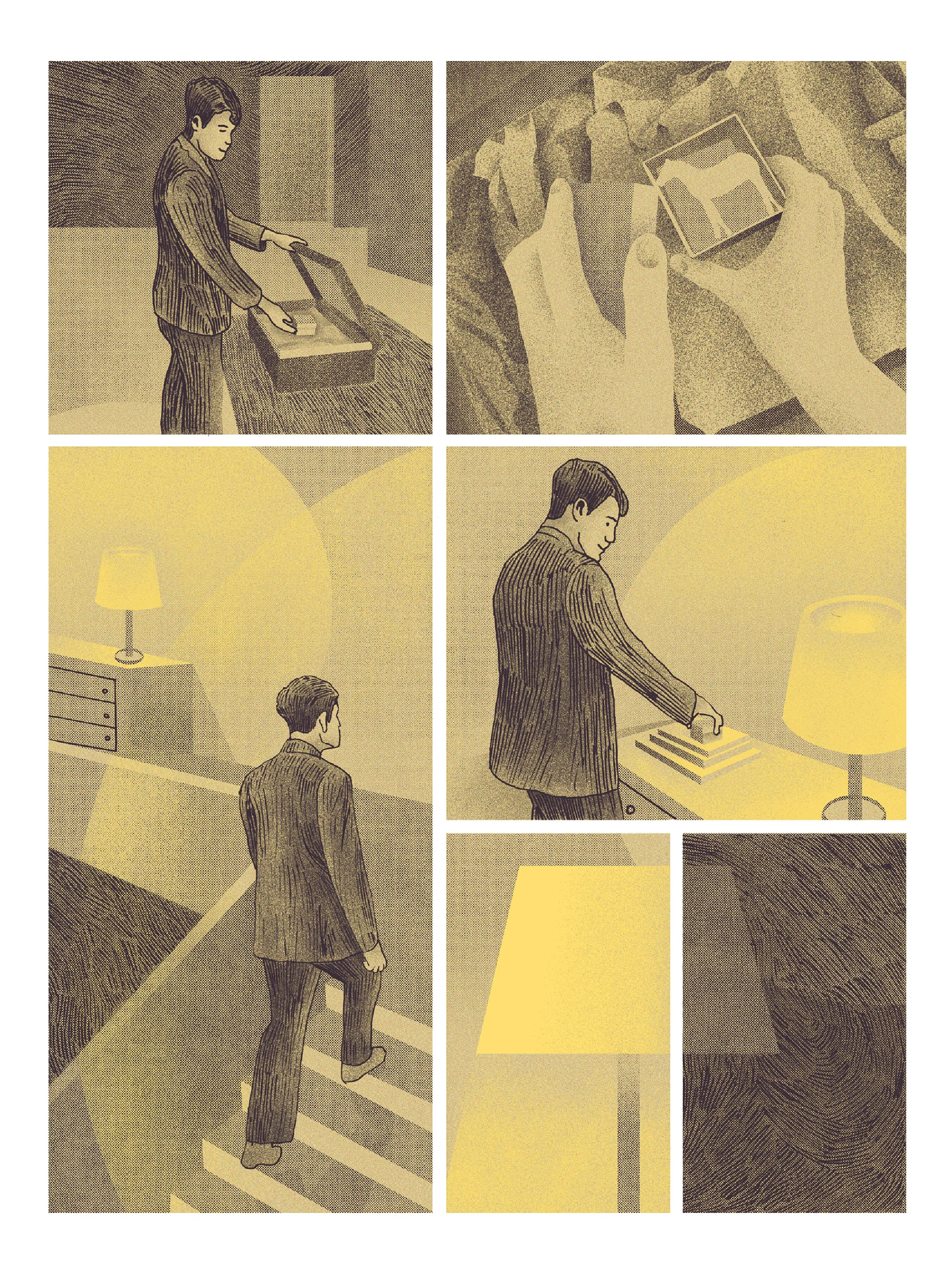
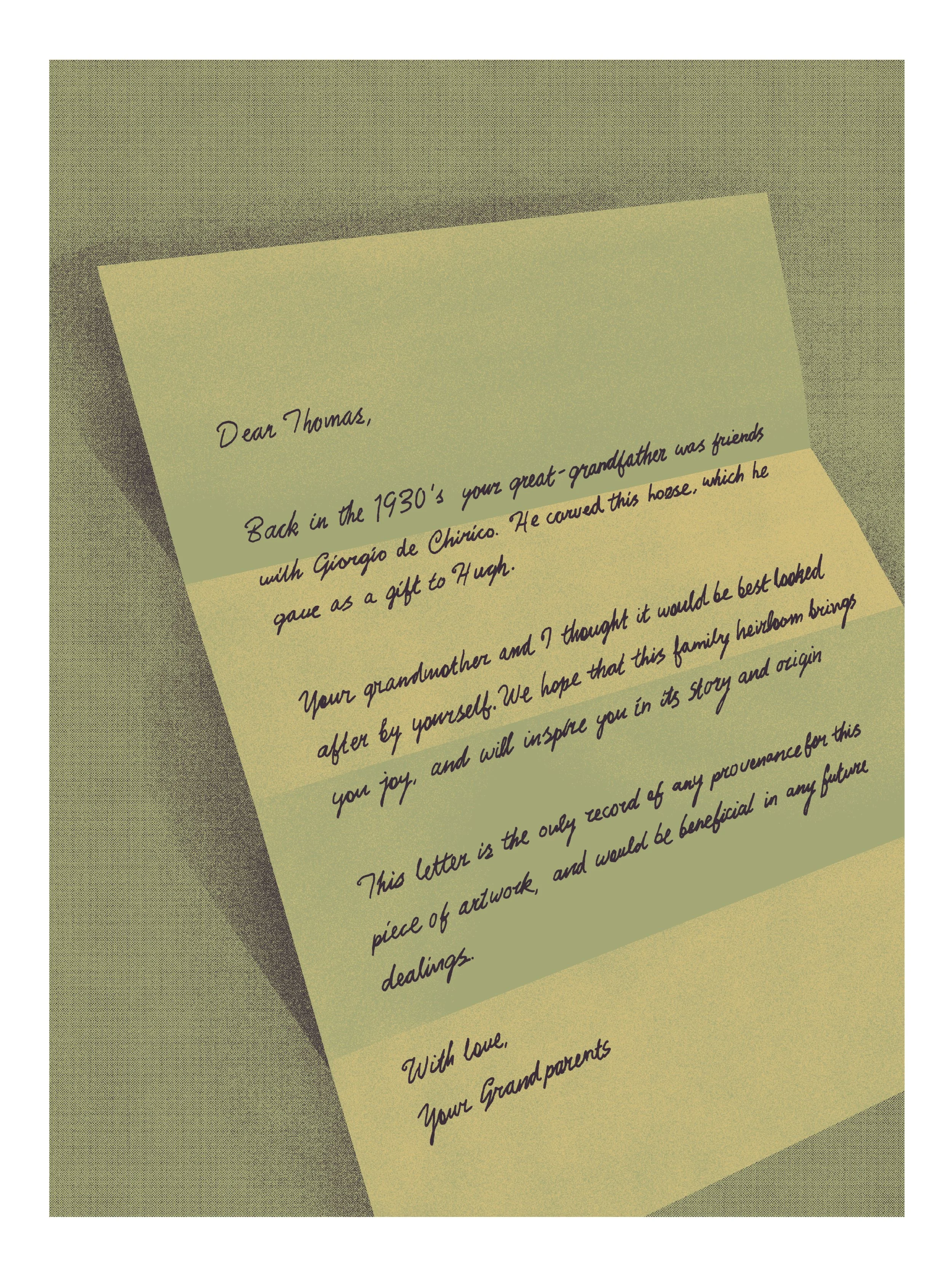
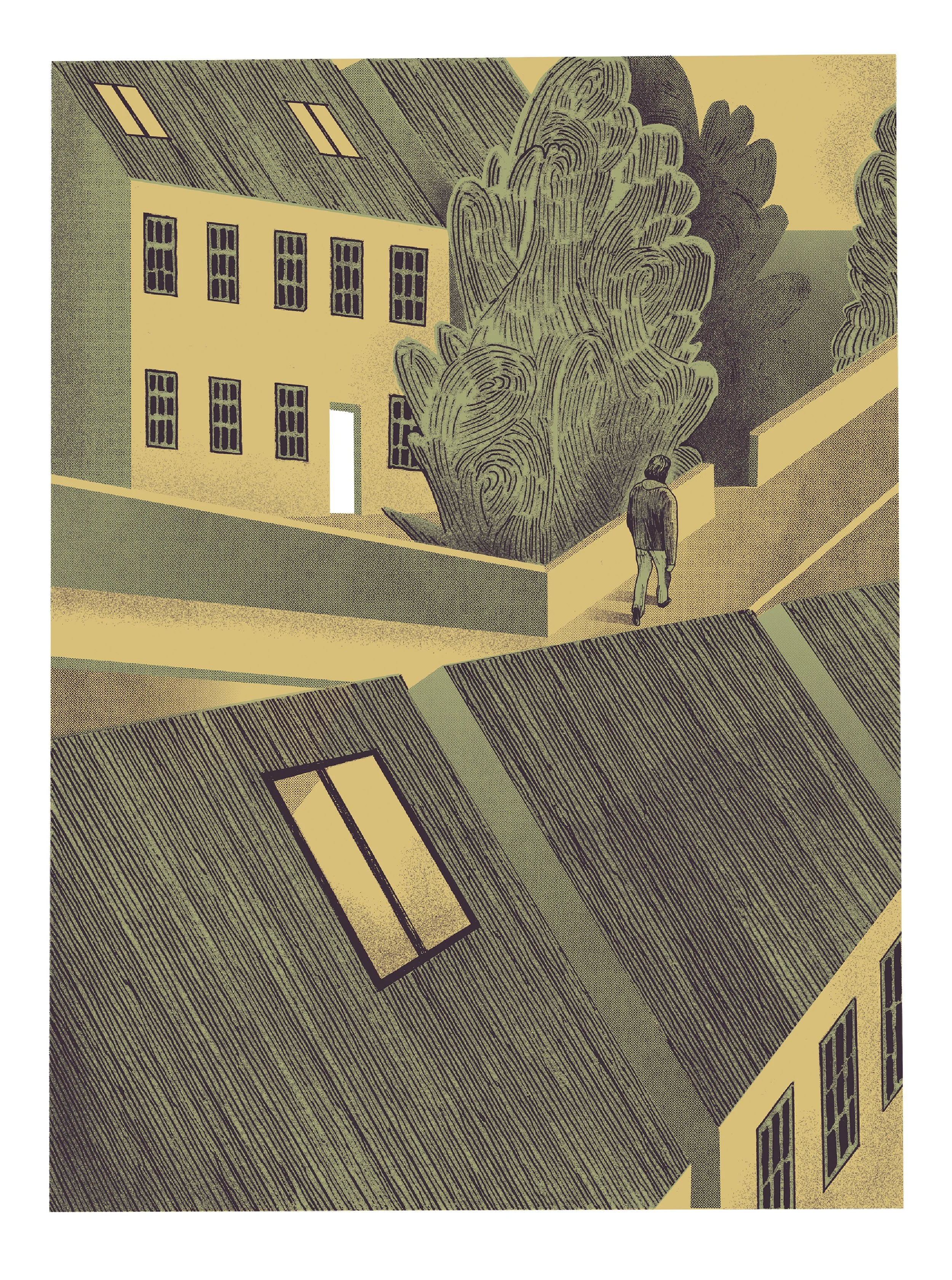
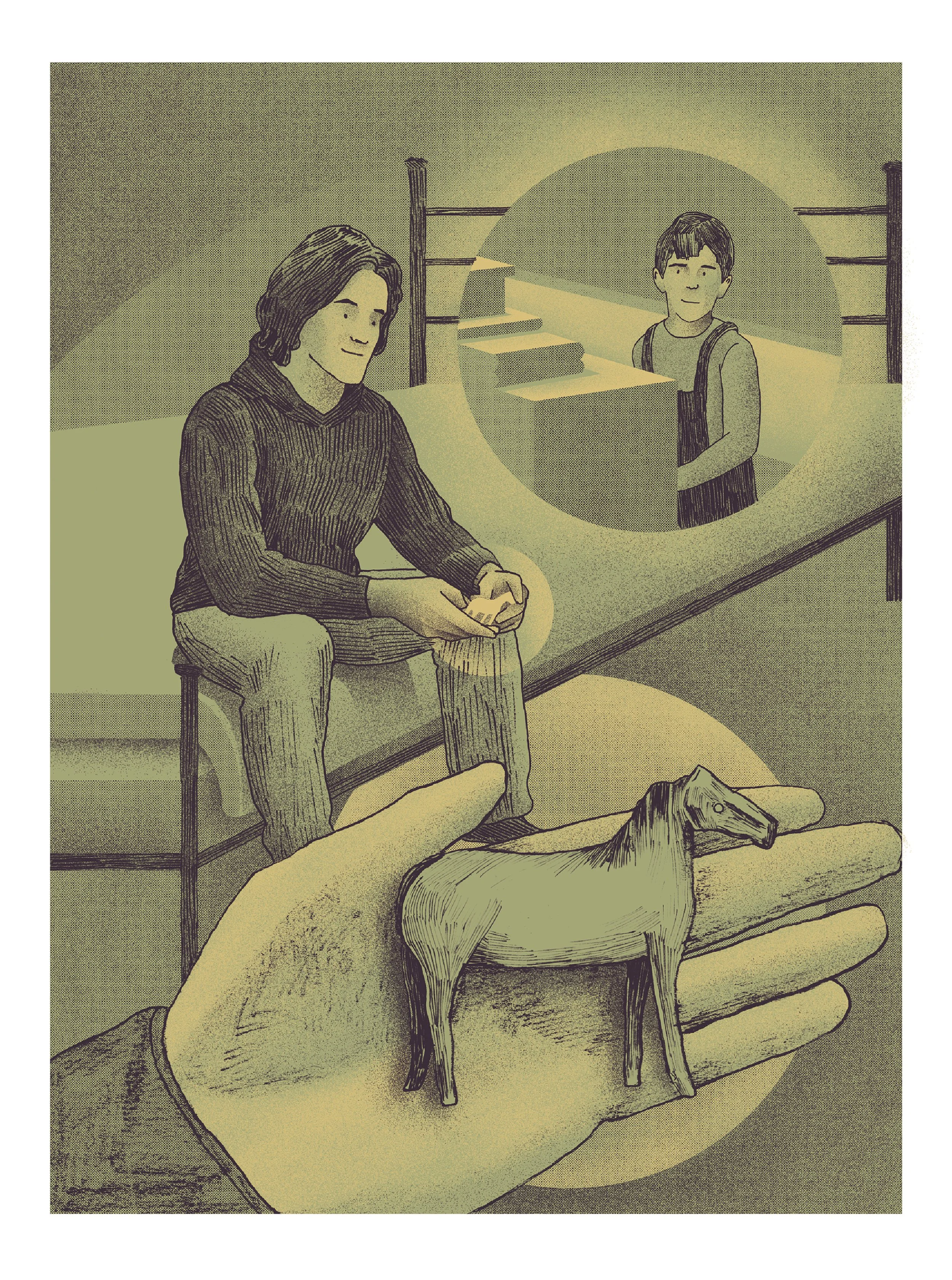
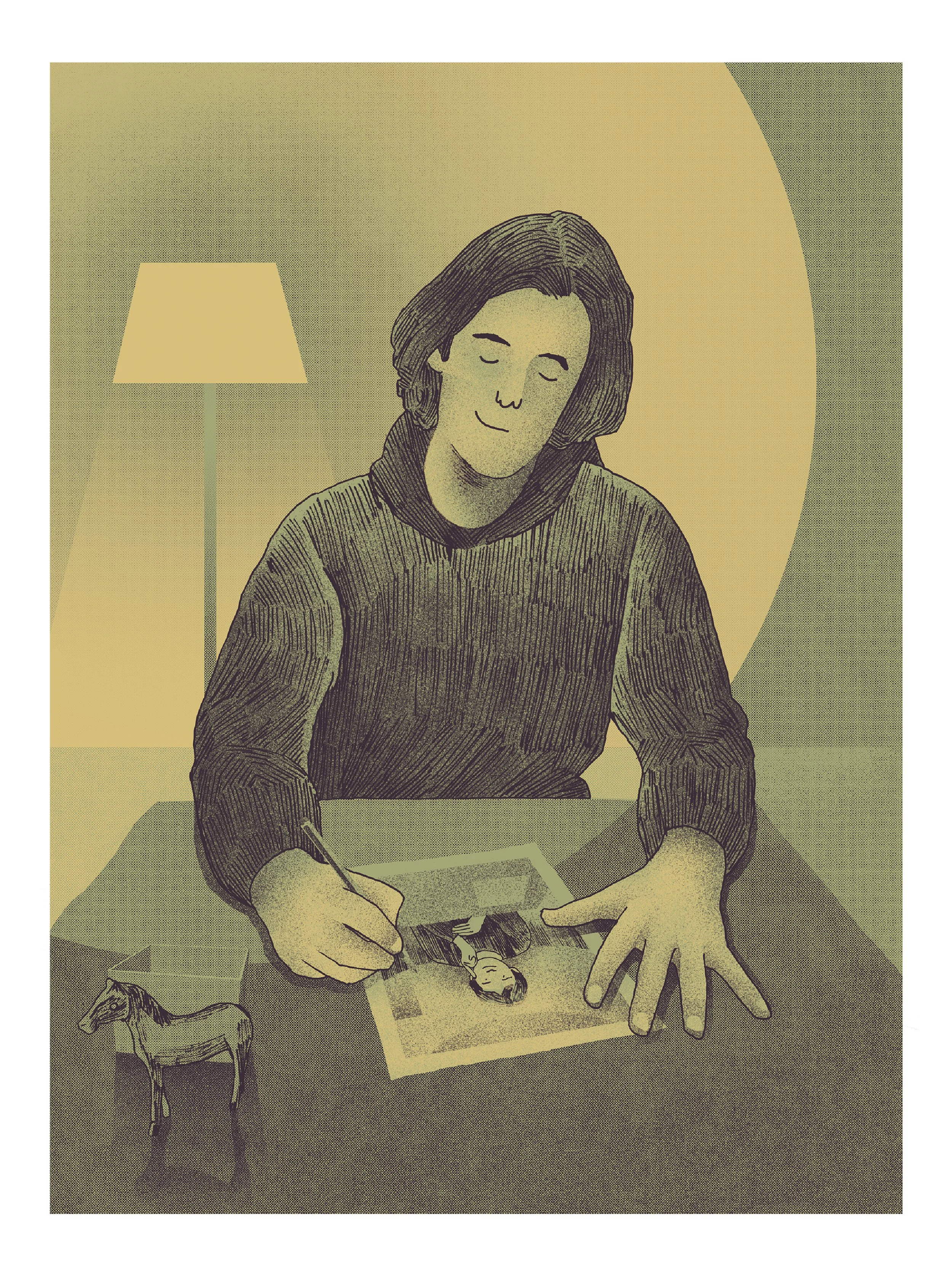
The De Chirico Horse began as a self-initiated graphic novel in 2019, but with hindsight it marks the beginning of an approach that continues to underpin my practice. At its centre is a small carved wooden horse, reputedly gifted by Giorgio de Chirico to my great-grandfather during his time in Italy in the late 1920s. Rather than simply illustrating this family story, the project became an investigation into how objects accumulate meaning through memory, documentation and repeated acts of storytelling.
Looking back, I see the work less as a graphic novel than as an early exploration of object biography: considering how an artefact can function simultaneously as historical evidence, cultural inheritance and narrative catalyst. Rather than attempting to distinguish historical fact from fiction, I became interested in how making itself contributes another layer to an object's history. The narrative therefore operates not only as a story, but also as another stage in the horse's provenance.
This way of thinking has continued to shape my practice beyond sequential narrative. Whether working with books, print, archives, cultural heritage or site-specific research, I am interested in images as artefacts rather than illustrations alone. I am drawn to commissions that begin with an object, place, archive or fragment of history, using research, material process and visual storytelling to reveal relationships between memory, provenance and cultural identity. While the outcomes may differ, from publishing and editorial illustration to exhibitions, installations or collaborations with museums and cultural institutions, the underlying enquiry remains the same: how can an image participate in the evolving life of an object, place or idea, rather than simply represent it?